

In many cases, Medicaid can cover braces when orthodontic treatment is considered medically necessary. Coverage depends on factors such as your age, the severity of your orthodontic condition, and the rules of your state Medicaid program.
Coverage is generally more available for children and teens than for adults. Because Medicaid orthodontic benefits vary by state, you should confirm your eligibility and coverage requirements before scheduling treatment. This guide explains who may qualify, what Medicaid may cover, how approval works, and what you can do if your request is denied.
Can I Get Braces with Medicaid?
Medicaid may cover braces when orthodontic treatment is considered medically necessary, but eligibility depends on your age, state, Medicaid plan, and the severity of your condition. Children and teens generally have broader orthodontic coverage than adults.
For adults, coverage is more limited and depends on the rules of the state Medicaid program. In many cases, braces are not covered when treatment is primarily cosmetic.
Does Medicaid Cover Braces?
Medicaid generally does not cover orthodontic treatment that is purely cosmetic. Coverage is more likely when a severe bite or alignment problem affects important functions such as chewing, speaking, or maintaining oral health.
Because Medicaid is administered jointly by the federal government and individual states, the specific eligibility requirements and covered services vary by state.
Who Is Eligible for Medicaid Braces?
Children and teens who qualify for Medicaid may have access to medically necessary dental and orthodontic services through the federal EPSDT benefit. However, orthodontic coverage and eligibility requirements can vary by state.
Adults may have fewer orthodontic benefits, with coverage depending on the state’s Medicaid program and whether the treatment meets its medical-necessity requirements.
Who Qualifies for Medically Necessary Braces?
Conditions that may support medically necessary orthodontic treatment include severe overbites, underbites, crossbites, cleft palates, or impacted teeth that interfere with normal chewing or speaking. Some states use a specified scoring system, administered by a skilled orthodontist, to assess your case severity and determine coverage eligibility.
Does Medicaid Cover Braces for Children?
Children and teenagers generally have greater access to Medicaid orthodontic coverage than adults. When a child has a severe orthodontic problem that affects chewing, speaking, oral health, or normal jaw development, Medicaid may cover treatment if the state program’s eligibility requirements are met.
Children and teenagers under 21 may receive medically necessary dental and orthodontic services through Early and Periodic Screening, Diagnostic, and Treatment (EPSDT). Still, specific orthodontic eligibility and coverage requirements vary by state.
Does Medicaid Cover Braces for Adults?
Adults generally have more limited Medicaid orthodontic coverage than children. Coverage for patients 21 and older depends on the state’s Medicaid program and whether the treatment meets its medical-necessity requirements. Cosmetic orthodontic treatment is generally not covered.
Does Medicaid Cover Braces in Every State?
No, because the federal and state governments jointly manage Medicaid, coverage details vary by state. Most states provide broader orthodontic benefits than others. So it’s important to contact your state Medicaid office directly to learn your specific rules.
What Types of Braces Are Covered by Medicaid?
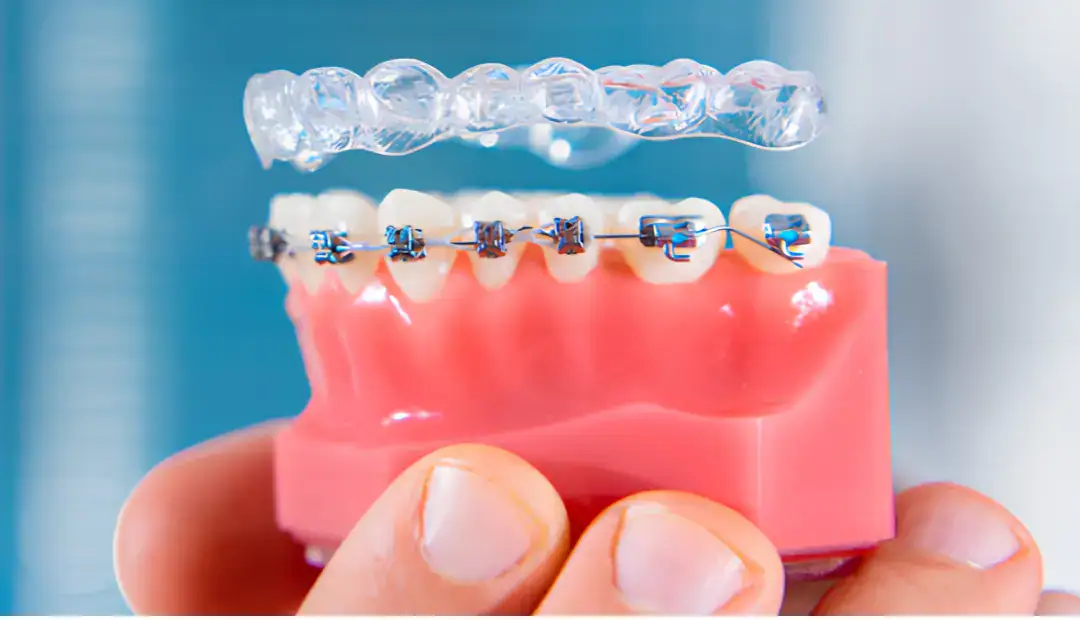
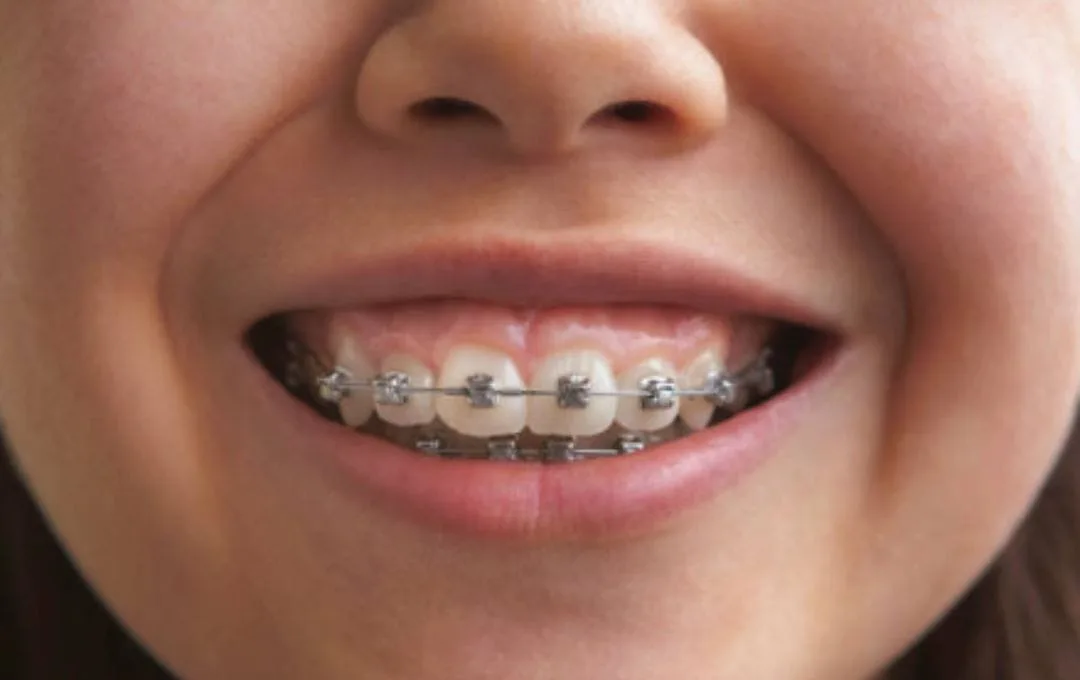
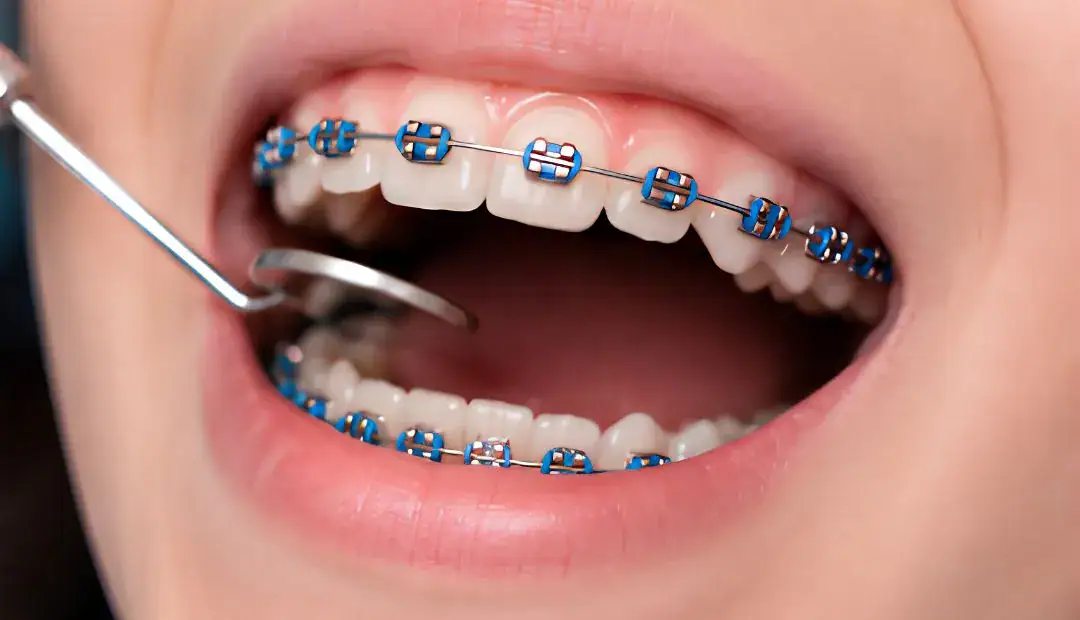
Medicaid coverage usually involves the initial exam and X-rays, traditional metal braces, periodic adjustment visits, and post-treatment retainers when a case is approved. Coverage frequently does not extend to cosmetic upgrades such as ceramic brackets or colored elastics beyond the standard option.
Does Medicaid Cover Invisalign?
Medicaid generally does not cover Invisalign or other clear aligners when they are considered a cosmetic alternative to traditional braces. If your state Medicaid program provides orthodontic coverage, it may specify which appliances are eligible for coverage.
If you prefer Invisalign, ask your Medicaid plan and orthodontist whether clear aligners are covered under your specific plan.
How to Get Braces with Medicaid
Find an orthodontist who accepts your state Medicaid plan first, then make an appointment for a checkup, during which the doctor will take X-rays and scans to document your case. After that, the office proves medical necessity by submitting a prior authorization request to the state.
Medicaid Approval Process for Braces
Once the orthodontist submits the request, your Medicaid program reviews the documentation to determine whether the treatment meets its coverage requirements. Some states use an orthodontic severity score as part of the review, while others use different criteria. This review procedure may take anywhere from a few weeks to many months, depending on your state’s system.
What Documents Are Needed for Medicaid Approval?
Common documentation includes diagnostic X-rays, photographs of your bite, a written narrative from the orthodontist explaining the functional problem, and the completed severity grading form your state requires. Typically, your orthodontic practice will collect and submit these directly.
How Much Do Braces Cost With Medicaid?
When Medicaid approves a case, the personal cost of braces is often $0 or a small copay, depending on your state. It’s important to understand your eligibility in advance because full treatment without clearance usually costs between $3,000 and $7,000.
Scenario | Typical Out-of-Pocket Cost | What’s Usually Covered |
| Medicaid-approved, medically necessary case | $0 or a small copay, depending on the plan | Metal braces, adjustments, retainers, X-rays, and examinations |
| Denied or non-qualifying case | Treatment is generally paid out of pocket | Medicaid does not cover the denied treatment. |
| Cosmetic case (any age) | Generally paid out of pocket | Medicaid is not available in any situation. |
What If Medicaid Doesn’t Cover Your Braces?
If your case does not meet your state’s Medicaid requirements, you may still have ways to make orthodontic treatment more affordable. Ask your orthodontist about payment plans, insurance options, dental discount programs, or other financing arrangements before starting treatment.
Can You Appeal a Medicaid Braces Denial?
If your case is initially rejected, you may be able to appeal, depending on your state’s Medicaid rules. Your orthodontist may assist in submitting additional documentation or request a second review, because scoring systems sometimes miss details on the first pass.
Alternative Ways to Pay for Braces
Personal payment plans, dental discount programs, and third-party financing may help make orthodontic treatment more affordable. Ask your orthodontist which payment options are available before starting treatment.
How to Find an Orthodontist That Accepts Medicaid
Start by looking at your state Medicaid website’s provider directory, or call your managed care plan directly to inquire which local orthodontists participate in your plan.
FAQs
How can I get braces if I can’t afford them?
You may reduce costs or get financial help through in-office payment plans, local dental school clinics, government programs such as Medicaid, or charitable nonprofit organizations.
Does Medicaid automatically cover braces for kids?
No, coverage isn’t automatic. A skilled orthodontist must document that the case is medically necessary, and the state must approve the request before treatment is covered.
What age does Medicaid stop covering braces?
There is no single age that applies to every state. Federal EPSDT requirements generally apply to Medicaid beneficiaries under 21, while orthodontic coverage for adults depends on the rules of the state Medicaid program.
How long does Medicaid approval for braces take?
Approval timelines vary by state but typically range from a few weeks to a couple of months. It’s important to submit your complete documentation in advance because it can help to prevent delays during the review process.
Can I switch orthodontists if mine doesn’t accept Medicaid?
You may be able to switch to another orthodontist who participates in your Medicaid plan. You must check your plan’s provider directory; it is the simplest way to find one near you.
Is emergency orthodontic care covered differently by Medicaid?
Emergency dental care, such as treating an accident or infection, is typically covered separately from regular orthodontic treatment.
Final Thoughts
Are you looking to get braces with Medicaid? It is genuinely possible, especially for children and teens with medically necessary bite or alignment problems, though adult coverage remains far more limited. Because the state regulations vary, the simplest way forward is to check directly with your Medicaid plan and schedule an evaluation with a participating orthodontist.
Bayou Braces works with families to explore available payment options, including Medicaid, private insurance, and flexible financing. Schedule a consultation with our orthodontic team to discuss your eligibility and treatment options.