

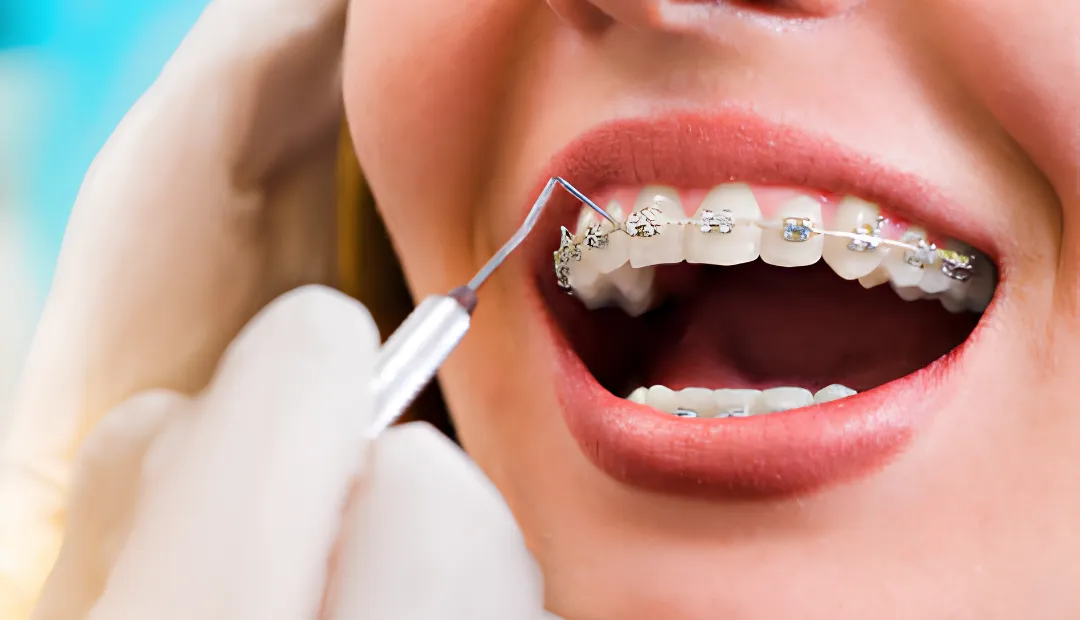
Braces can take longer than expected because tooth movement depends on more than just wearing braces every day. This depends on bone remodeling, bite complexity, and how strictly you follow your orthodontist’s instructions.
Every mouth responds to orthodontic treatment differently. This is why two people with the same cases can finish at noticeably different times. Your age, the severity of your bite problem, and everyday habits like what you eat or how often you wear your elastics affect the end timeline. This article explains how to stretch out a braces treatment plan. It also explains what you can really do to help keep things on schedule.
What Determines How Long You Need Braces?
There are three main things that affect how long you need braces. It depends on your age, the complexity of your bite problem, and how your body reacts to the pressure the braces apply. Younger patients with developing jaws usually see faster movement than adults whose bones are denser and fully grown.
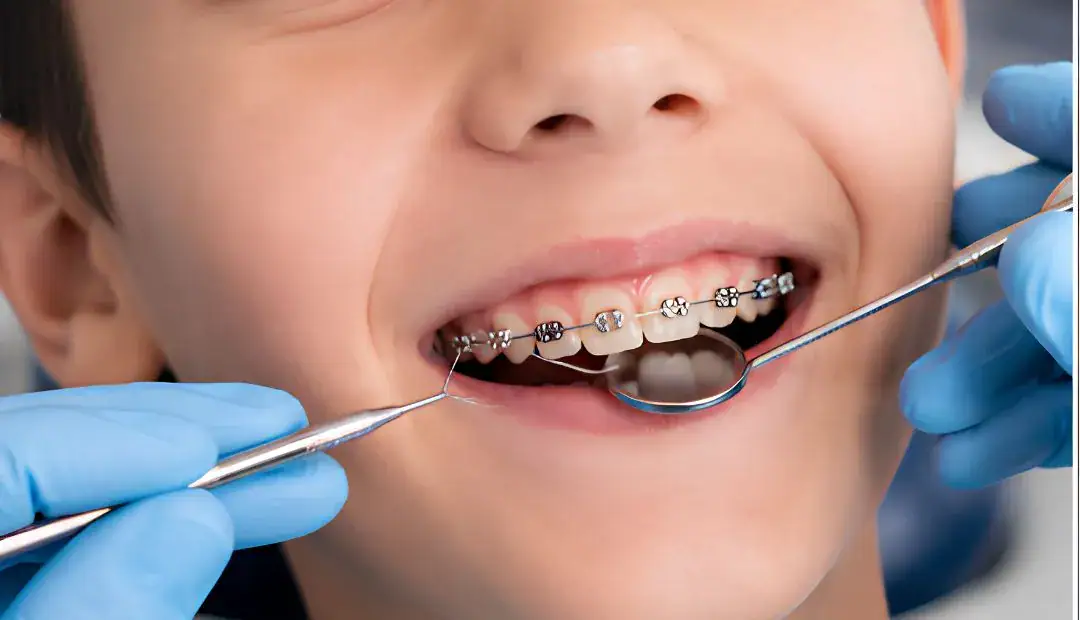
Simple crowding or spacing issues usually improve faster than cases involving significant overbite, underbite, or jaw misalignment. That is because those issues require a more precise, multi-stage sequence. According to the American Association of Orthodontists, most patients wear braces for 12 to 24 months. However, treatment might last anywhere from six months for mild cases to three years or more for complex ones.
Why Can Some Braces Treatments Take Longer Than Planned?
Your body and daily habits can cause braces to take longer than expected. These factors can slow how quickly your teeth move. Adult bone doesn’t remodel as quickly as a child’s or teenager’s. So everyone’s biological response to the constant pressure of braces is different. Real-life habits like eating too hard or not wearing elastics can also slow progress. During treatment, these small details can build up over time.
The most common cause of delay is shown below.
Common Cause of Delay | How It Affects Treatment | What Helps |
| Age and Bone Density | Slower tooth movement, especially in adults | A realistic timeline set from the start |
| Bite Complexity | Needs a longer, multi-stage movement plan | Following the full treatment plan closely |
| Broken Brackets or Bent Wires | Pauses active force on the affected tooth | Avoiding hard, sticky, or crunchy foods |
| Skipped Elastics | Disrupts bite and jaw correction | Wearing elastics exactly as directed |
| Missed Appointments | Teeth lose momentum; small issues go unfixed | Keeping every adjustment visit |
| Poor Oral Hygiene | May force treatment to pause | Consistent brushing, flossing, and cleanings |
How Do Missed Appointments Affect Treatment Time?
If you miss an appointment, your treatment can slow down. Your braces need regular adjustment to maintain your teeth moving forward. During every adjustment visit, your orthodontist checks how your teeth have moved since the last visit. They may tighten the wires, change the elastics, or make other changes based on your progress. When you miss or reschedule these appointments, your teeth may go without fresh pressure for weeks. Small concerns, such as a loose bracket, can go unnoticed until your next visit.
Can Broken Brackets Delay Braces Treatment?
If a bracket breaks, it can delay your braces treatment. A loose bracket relieves pressure on the tooth until you fix it. You can break a bracket by eating food that is hard, sticky, or crunchy. They can also break from accidental bumps or biting down. If your orthodontist is busy, it may take a few days or even a couple of weeks to repair a broken bracket. During that time, the tooth may not get full pressure, which can build up over time.
Does Not Following Orthodontic Instructions Extend Treatment?
If you do not follow orthodontic advice, your treatment may take longer than expected. When you skip elastics, eat foods your orthodontist told you to avoid, or ignore oral hygiene instructions, you can work against the careful plan. Your orthodontist creates this plan specifically for your bite.
According to research on treatment compliance, one in every four patients ends up wearing braces longer than expected. This is usually because of missed scheduled visits or not following the treatment plan, rather than the complexity of the case itself.
What Can You Do to Keep Your Treatment on Schedule?
The main factor in keeping your treatment on track is consistency. You must attend all appointments, wear your elastics exactly as directed, and protect your brackets and wires from any damage. Brush and floss carefully around your brackets to prevent plaque buildup and gum inflammation. This can force an orthodontist to pause treatment.
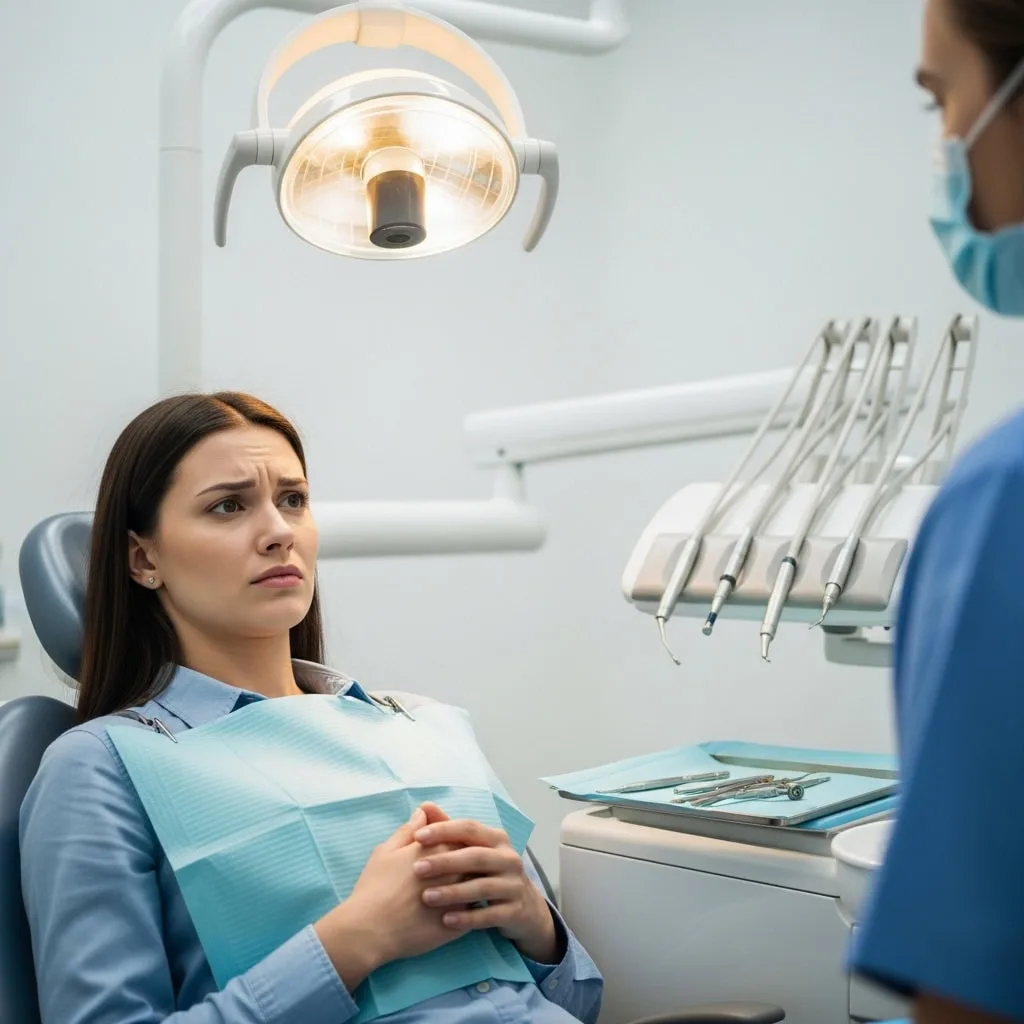
Reduce your intake of hard, sticky, or crunchy foods and address habits like teeth grinding or mouth breathing as soon as possible. It also helps maintain pressure on your teeth and keeps them working the way they’re supposed to.
FAQs
Why are my braces taking longer than expected?
Braces can take longer than expected because of bone density, bite complexity, or everyday habits. These can include skipped elastics and missed appointments. During your next visit, your orthodontist will usually pinpoint the exact reason.
Can missed appointments make braces take longer?
Missed visits can make braces take longer. Each visit keeps fresh pressure on your teeth and catches small issues early. Skipping visits often means lost momentum, which adds up over time.
Do broken brackets delay treatment?
Broken brackets delay treatment because a loose bracket stops applying force to a tooth until it’s repaired. You can add real time to your overall timeline by taking frequent pauses, especially from hard or sticky foods.
Can poor brushing affect braces treatment time?
Poor brushing might affect treatment time. Plaque buildup or gum inflammation may require your orthodontist to stop active treatment until your oral health improves. Brushing and flossing regularly helps to keep things on track.
Can you finish braces earlier than expected?
For patients with milder cases, it is possible to finish braces earlier than planned. They need to stay consistent with elastics, appointments, and oral hygiene practices. It is less common than delays; however, good compliance can sometimes shorten a treatment plan.
Final Thoughts
Braces timelines depend on many things you can’t control, like age and bite complexity. They also rely on things you can control, such as showing up for appointments and wearing elastics. Most patients finish between 12 and 24 months. However, broken brackets, missed visits, and irregular habits can stretch the timeline out further than expected.
BaYou Braces can explain where your treatment is and what, if anything, is holding it up.
If your braces are taking longer than expected, contact BaYou Braces Clinic to book a consultation now.