

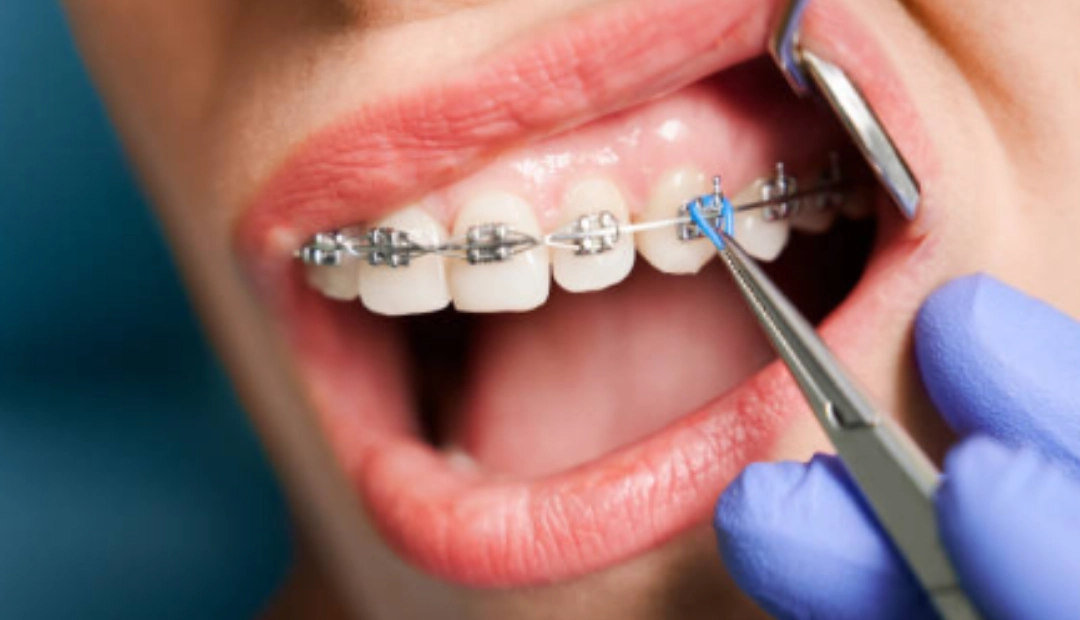
Brace adjustments may seem like a small thing, like a normal visit. But during this time in the orthodontist’s chair, a lot can happen. Your orthodontist removes your old elastics, checks how your teeth have moved since last time, monitors your bite, and tightens the archwire or puts in a new one to maintain pressure. New elastics keep everything in place. You’ll then get a new appointment date.
The only purpose of these visits is to move your teeth during treatment. So if you know what happens now and afterwards, you feel less worried. In this guide, we’ll explain what your orthodontist can do during an adjustment, how often you need it, and what to do about soreness afterward.
What Does Your Orthodontist Do During an Adjustment?
Normally, routine check-ups are the same for all orthodontic adjustments. However, your one change is tailored to your needs. Each step builds on the last, moving your tooth to the target location.
Removing Old Elastics
In the first step of this appointment, your orthodontist takes out the small rubber bands, also known as elastics. They also open the clips that hold the wire now. This lets them thoroughly examine your teeth and prepare you for the next change.
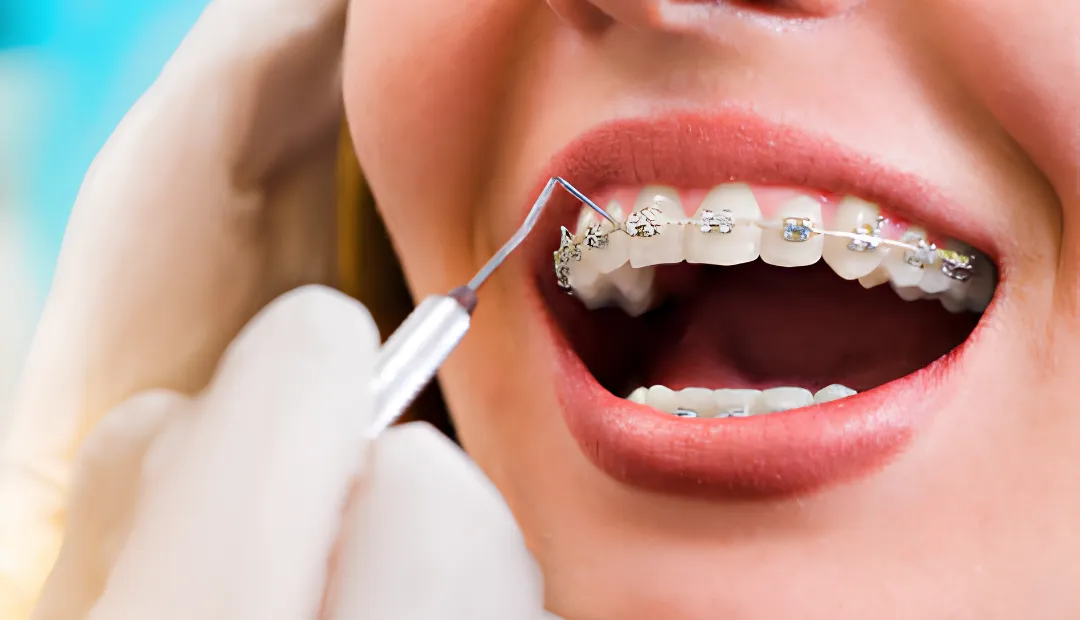
Checking Your Teeth, Bite, and Braces
Your orthodontist checks your teeth, bite, brackets, and wire before making any adjustments. This helps them decide whether to follow the same plan or make changes if something unexpected comes up, such as a loose bracket or a spot that isn’t going as expected.
Tightening or Replacing the Archwire
As your teeth move into position, the active force on the wire will diminish over time. Your orthodontist may need to adjust the current wire, bend it at a new point, or replace it with another wire that is thicker and can help your teeth move through the next stage. This step is crucial to the adjustment process as it will ensure that treatment continues instead of stagnating.
Adding Fresh Elastics
After setting the wire, we place new elastics over each bracket to keep everything in place until your next appointment. This is a minor but popular part of the visit for many patients; they are able to choose the colour of their elastic.
Not Every Adjustment Looks the Same
Wire adjustments are usually simple at first when your teeth begin to move out of their original alignment, which is often crowded or gapped. Later on, an adjustment could include elastics to correct your bite, a spring to create space for a tooth, or small bends in the wire to adjust one or two teeth. No two adjustments will look exactly alike because your orthodontist makes his/her decision at each appointment on what your mouth needs.
How Long Does a Braces Adjustment Appointment Take?
The average braces adjustment visit lasts about 15 to 30 minutes and is one of the shorter visits throughout your braces treatment plan. The time to make simple changes that only require a wire change and new elastics is on the high end of that range, but visits that request additional appliances or troubleshooting a broken bracket may be a bit longer. If your orthodontist expects a visit to take longer than usual, they will inform you in advance.

Factors That Can Affect Appointment Length
There are a number of factors that may influence the length of the appointment. Some of the things that can exceed the normal adjustment time include broken brackets that require repair, a loose wire, or a treatment stage that needs a more extensive appliance change. Some patients may also need a few extra visits if they have a more complicated bite correction, just as there is more the orthodontist has to review and adjust at each visit.
What Should You Expect After an Adjustment?
The most common sore or tender feeling usually comes after a little adjustment, typically several hours after your appointment, but subsides in a day or two. This is a normal symptom of the new pressure being applied, not an indication of any problem.
Soreness and Tenderness
The ‘after’ ache of an adjustment normally reaches its peak in the first 24 hours and is noticeable but not as prominent by the 2nd day. For some patients, the change will be barely noticeable, and for others, it will be more noticeable after a larger wire change.
Eating Soft Foods
Soft foods such as yogurt, mashed potatoes, pasta, and soup are simpler to handle for the first few tender days after an adjustment, as they don’t need much pressure from your teeth to break down. You may find the adjustment more comfortable if you stick to lighter foods for a day or two.
Managing Discomfort at Home
A cold compress on the jaw, a warm saltwater rinse, or over-the-counter pain medicine may help relieve discomfort following an adjustment. In most cases, the pain goes away relatively quickly on its own within a few days, without the need for any measures other than these simple home remedies.
How Often Do You Need Adjustments?
Braces adjustments are necessary for most patients every 4 to 8 weeks during treatment, depending on your treatment stage and your teeth’s response. The American Association of Orthodontists says this period allows your teeth to respond to the forces applied and undergo the natural process of bone remodeling, which you can’t speed up by adjusting more often. Visits may be closer to 4 weeks early in treatment when big changes are happening, but visits to fine-tune the bite may be spaced closer to 8 weeks.
Have a short look at how adjustment intervals shift across treatment:
Treatment Stage | Typical Adjustment Interval | What Usually Happens |
| Early Stage (Alignment) | Every 4 to 6 weeks | Larger tooth movements and more frequent wire changes |
| Middle Stage (Bite Correction) | Every 6 to 8 weeks | More refined movements, elastics, or added appliances |
| Finishing Stage (Detailing) | Every 6 to 8 weeks | Fine-tuning tooth position and the final bite relationship |
Why Are Regular Adjustments Important for Your Treatment?
Regular adjustments are important because they are not just to let you know how your teeth are progressing, but to keep them in motion while you are going through treatment. Over time, your archwires lose their active force, and without another adjustment, your teeth will stop moving even though the braces are still in place.
According to the American Dental Association, consistent orthodontic follow-up visits are a must to get proper alignment and bite correction. This helps your orthodontist catch small issues, like a loose bracket or a poking wire, before they become bigger problems.
What Happens If You Delay an Adjustment
Pushing an adjustment by a week or two usually isn’t a big issue. But if you are often late or skip appointments, your treatment will take longer. Teeth that sit with no new push for a long time lose speed, and small problems that an orthodontist will catch fast, like a wire poking your cheek, stay there longer than they should.
How Adjustments Help Catch Problems Early
More than moving teeth, each adjustment gives your orthodontist a chance to check for buildup around your brackets, spot early white spots, and make sure every bracket is still tight. Catching small issues at a regular visit is easier than fixing them later, when they have more time to become a bigger problem that needs more work.
What Can You Do to Make Adjustments Easier?
Making adjustments easy mostly comes down to a little prep and simple care after you get home. Eating soft food before an appointment can help if you know you don’t want to chew much right after, and keep wax with you for any sharp spots that come when new wire is put in. Eat soft foods, take what painkiller works for you, and go to every appointment. All this helps make each adjustment feel normal, not like a big event.
FAQs
Does getting braces adjusted hurt?
Getting braces adjusted mostly doesn’t hurt at visit times, but light pain can come for one or two days as teeth feel a new push. Most people find this pain ok with soft food and painkillers.
How long does soreness last after an adjustment?
Soreness after adjusting is usually highest in the first 24 hours and goes down a lot in one or two days. Some feel very little pain, while some feel more after a big wire change.
What should I eat after a braces adjustment?
Soft foods like soup, curd, mashed potatoes, and pasta are easy to eat in the first few days after an adjustment. Stick to soft foods until the pain goes away; it makes the process more comfortable.
Can I skip an adjustment appointment?
Skipping an adjustment visit is not a good idea because the archwire loses force slowly, and your teeth stop moving without a fresh adjustment. Missed appointments can add real time to full treatment.
Why do orthodontists change the wire during adjustments?
Orthodontists change or tighten the wire at set times because it loses pressure as teeth move into a new position. A new or tight wire keeps a slow, firm push on teeth so treatment remains smooth overall.
Final Thoughts
A braces adjustment may only take fifteen to thirty minutes, but it’s the appointment that keeps your care going every four to eight weeks. Think a quick check of teeth and bite, wire change or tightness, and new bands, then one or two days of light pain that soft food and home care can fix. Keeping each adjustment on date is an easy way to stay on track and avoid extra late fees. BaYou Braces Clinic tells patients to adjust step by step, so nothing feels new.
If you have an adjustment coming up or have questions about what will happen, contact BaYou Braces Clinic and schedule a consultation today