

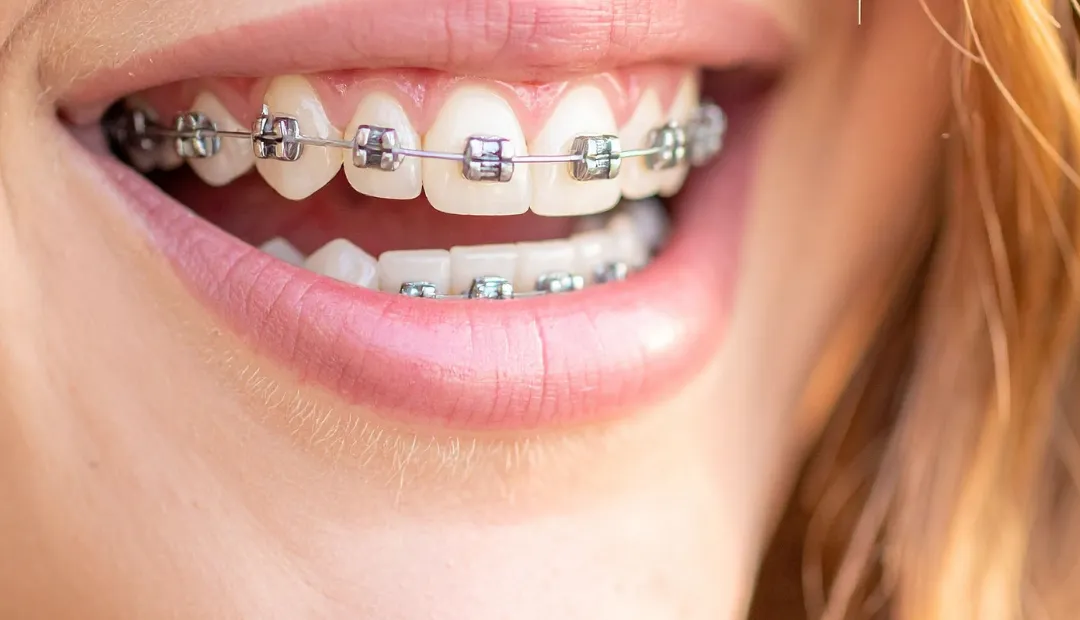
Braces improve how you bite and chew, not only how your smile looks in photos. When your upper and lower teeth don’t line up correctly, a few teeth often do the work while you eat. Other teeth barely make contact at all. Over time, certain teeth can wear down faster. This can strain your jaw and make it harder to break food down properly before swallowing. Braces correct this by gradually shifting your teeth.
In some cases, your bite relationship goes into a position where chewing forces spread out evenly. The guide below will help you understand how braces change the way you bite and chew. You will also explore what bite problems braces can fix along the way.
How Do Braces Affect Your Bite?
Braces gradually improve your bite by shifting misaligned teeth into the correct positions. They help your upper and lower teeth meet correctly as your jaw closes. Brackets and wires use gentle, steady pressure to help your teeth move through the bone.
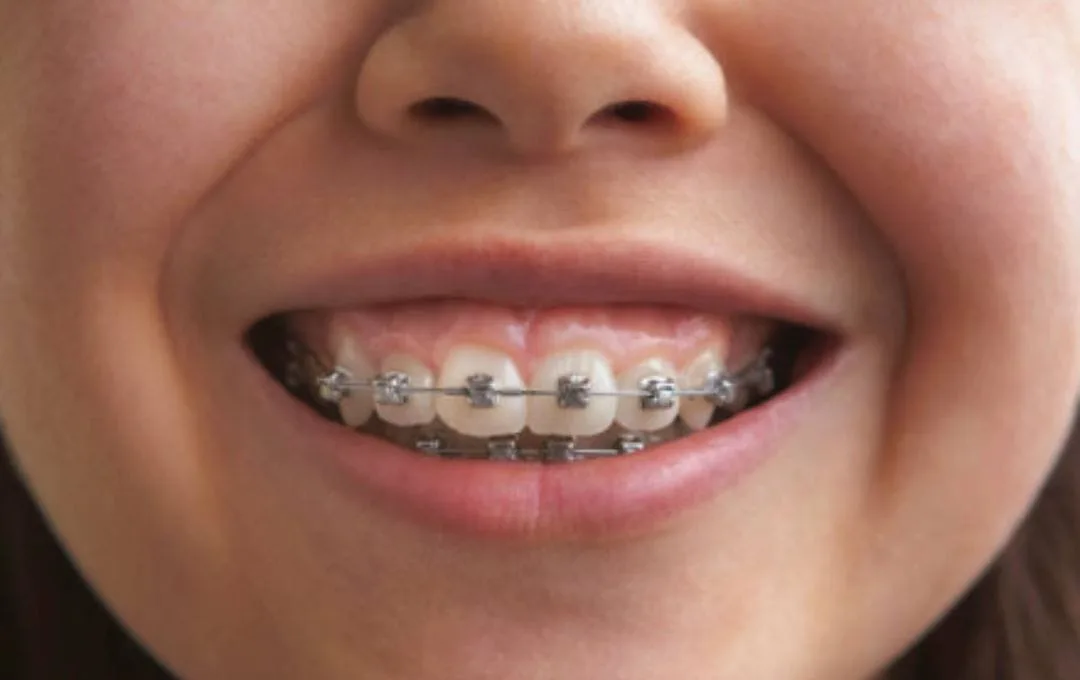
Sometimes dentists add rubber bands or other appliances to correct upper- and lower-jaw relationships. As your teeth sit into their new positions, your bite gradually improves. You can enjoy more balanced, even contact between your teeth when you eat.
Can Braces Make Chewing More Comfortable?
Yes, they make chewing more comfortable after correcting the alignment. Food is not chewed by only a few teeth or one side of your mouth. Patients with bite problems unknowingly chew only on one side. Over time, they can experience pain, fatigue, or jaw soreness. When alignment improves, chewing becomes less effortful. Your teeth and jaw are finally working the way they’re designed to.
What Bite Problems Can Orthodontic Treatment Address?
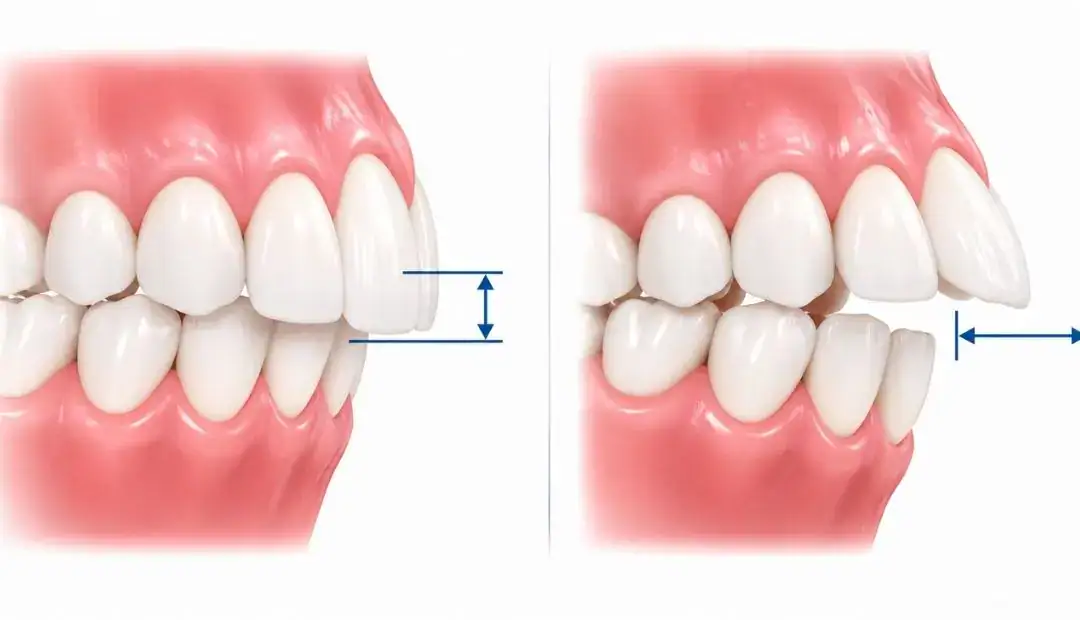
Orthodontic treatment can fix many problems such as overbites, underbites, crossbites, open bites, and crowding. Each of these issues changes how your upper and lower teeth contact. You may experience your upper teeth covering too much of your lower teeth, or your back teeth not touching evenly when you bite down. Braces correct these problems by moving individual teeth, adjusting the bite relationship between the jaws, or both. However, it depends on your case.
Here’s how a few common bite problems affect chewing, and how braces help:
Bite Problem | Impact on Biting and Chewing | How Braces Help |
| Overbite | Your lower teeth may bite into your gums or the roof of your mouth, causing uneven wear. | Levels out the dental arches, often with elastics. |
| Underbite | You may experience reduced chewing efficiency as your jaw works harder to bring your teeth together. | Elastics or appliances to align the jaws. |
| Crossbite | Uneven force lands on one side. It can affect jaw growth over time. | Straightens individual teeth, sometimes with expanders. |
| Open Bite / Crowding | Front teeth may not bite into food properly, or crowding traps food. | Closes gaps and aligns crowded teeth. |
How Does Tooth Alignment Affect Everyday Eating?
Tooth alignment affects everyday eating by determining how efficiently your teeth can bite into and break down food before you swallow. Well-aligned teeth work together as a team. Front teeth cut food, and back molars grind it into smaller pieces.
Misaligned teeth often skip steps in that process. Foods that require more chewing, like meat, raw vegetables, or crusty bread, can become noticeably easier to manage once your bite is corrected. Your teeth are finally sharing the workload the way they should. The American Dental Association notes that thoroughly chewing food supports better digestion. This is one more reason a properly aligned bite matters beyond your smile.
Can Correcting Your Bite Help Protect Your Teeth?
Correcting your bite can help protect your teeth over the long run. Even chewing pressure can reduce the concentrated wear that leads to cracked enamel or worn-down edges. A misaligned bite that forces a few teeth to absorb most of the force can also contribute to loose teeth, gum recession, or jaw joint problems over time. Correcting a misaligned bite can reduce strain on the jaw joints and lower the risk of long-term dental problems linked to uneven wear.
What Changes Might You Notice as Your Bite Improves?
As your bite improves, you’ll likely notice chewing feels more even and less tiring. This is especially true if you used to favor one side of your mouth without realizing it. Foods that once felt awkward to bite into, like apples or corn on the cob, often become easier to manage. Your front teeth start meeting correctly. Some patients also notice less jaw soreness or clicking, along with fewer cases of biting their cheek or tongue by accident.
FAQs
Can braces improve the way you chew?
Of course, braces improve the way you chew. They fix bite problems by correcting bite alignment. So, chewing pressure spreads more evenly across all your teeth.
Can braces fix an uneven bite?
Yes, they fix an uneven bite by gradually shifting misaligned teeth. They correct the bite relationship between the upper and lower jaws. However, the treatment timeline can vary. It depends on the level of misalignment.
Do braces make biting food easier?
Yes, after treatment, you will notice a big difference in biting. Properly aligned teeth can cut food more effectively. You can chew many awkward-feeling foods comfortably after the treatment.
Can an incorrect bite damage your teeth?
It can damage your teeth and wear down enamel. It can strain your jaw joint, which may lead to cracked or loose teeth. After fixing the bite, chewing force is distributed evenly, which protects your teeth over the long term.
How do I know if my bite needs orthodontic treatment?
If you experience signs such as jaw pain, uneven tooth wear, or chewing trouble, you may need orthodontic treatment.
Final Thoughts
Now you know braces do much more than straighten your smile for photos. They improve your eating by changing the way your teeth and jaw work. After correcting your bite-related issues such as overbite, underbite, or crossbite, you can experience even chewing. You can enjoy biting into food with less effort. It can also protect your teeth from uneven wear over time. BaYou Braces Clinic helps you by evaluating your bite. They explain what’s affecting your chewing and how to fix it. If you experience harder chewing than normal, contact BaYou Braces Clinic.