

You need to wear a retainer full-time for the first 3 to 6 months after your braces come off. Then you can switch to wearing it nightly for the rest of your life. This simple timeline keeps years of hard-earned orthodontic progress from slipping away. If you recently completed treatment or are getting close, it helps to understand why retainer wear is important and how that schedule changes over time.
In this article, we explain the full wear timeline and what happens if you skip a night. We also explain how to maintain your retainer in good shape for years to come.
Why Do You Need a Retainer After Braces?
You need a retainer because teeth tend to drift back to their original positions after braces are removed, a process known as relapse. Bone and gum tissue also require time to properly harden and stabilize around your teeth’s new positions. If you have not worn retainers consistently, months or even years of careful orthodontic work can slowly unravel. This is why a small piece of plastic can have a major effect on your long-term results.
How Long Should You Wear a Retainer Each Day?
Most patients must wear their retainer 20 to 22 hours per day for the first three to six months after having their braces removed. They should only remove it while eating, drinking, or brushing their teeth. This is the early stage when teeth are most vulnerable to moving. Because everyone’s timeline varies slightly depending on their specific cases, your orthodontist will tell you when it is safe to cut back.
| Stage after braces: Typical retainer use | Typical retainer use |
|---|---|
| First 3 to 6 months | Many patients wear their retainer 20 to 22 hours per day, following their orthodontist’s instructions |
| After the initial full-time period | Patients may transition to nighttime wear when their orthodontist recommends it |
| Long term | Retainer wear is generally continued indefinitely to help maintain the position of the teeth |
How Retainer Wear Changes Over Time
After around 6 months of full-time wear, most patients begin wearing their retainer only at night. From there, nighttime wear is usually repeated a few nights every week indefinitely to protect your results for life. This gentle step-down method helps your teeth to settle in permanently. It still offers enough support to help avoid unwanted movement as the years pass.
What Happens If You Stop Wearing Your Retainer?
Even a short break from wearing your retainer can allow your teeth to begin shifting. Your retainer may feel slightly tight when you put it back in after missing a night or two. The longer you go without wearing it, the greater the chance that your teeth may move enough for the retainer to become uncomfortable or stop fitting properly.
If you continue going without your retainer for weeks or longer, more noticeable changes in tooth position can occur. In some cases, you may need a replacement retainer or additional orthodontic treatment.
Can Your Teeth Move Back After Braces?
Yes, teeth can shift back after braces if you have not worn your retainer consistently. Orthodontic relapse is a well-known and common occurrence. Even patients who have worn braces for years can see noticeable shifting within a few weeks of not using their retainer. Aging adds an extra layer because teeth naturally tend to crowd together over time. This can happen even if orthodontic treatment is successful. Consistent nighttime wear prevents that gradual movement.
Do Children, Teens, and Adults Need to Wear Retainers for Different Lengths of Time?
The core wear timeline is pretty consistent across ages. However, because their jaws are still actively developing, children and teens may require more frequent monitoring. Growth spurts might require a retainer adjustment or replacement. Meanwhile, Adults typically have the same long-term nighttime habit. Because their bone structure is fully developed, they are more prone to settling into old patterns without ongoing support.
Fixed vs. Removable Retainers After Braces
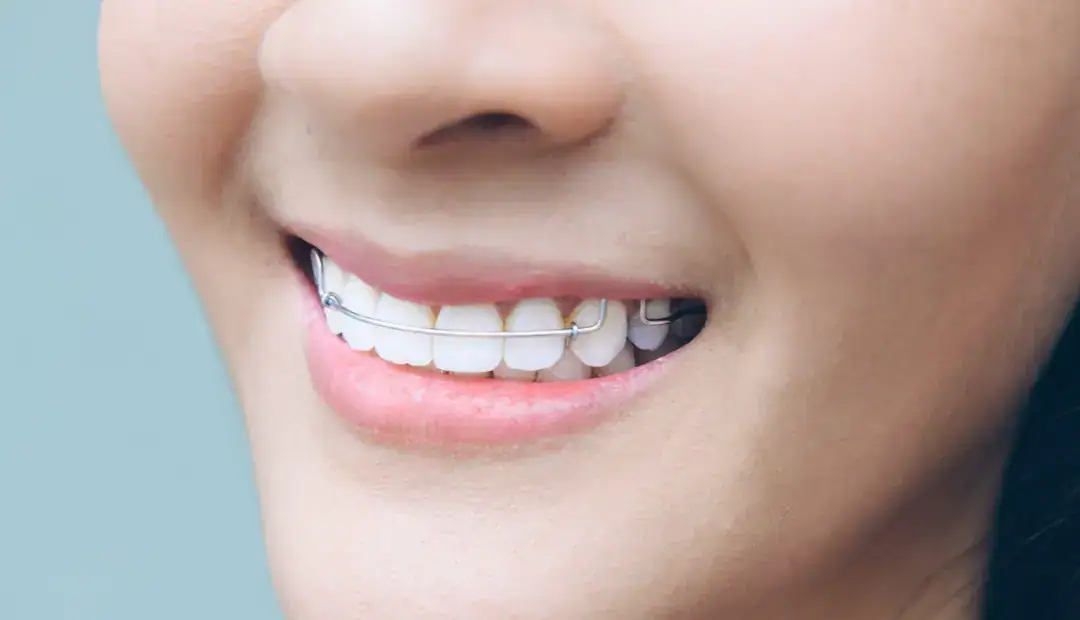
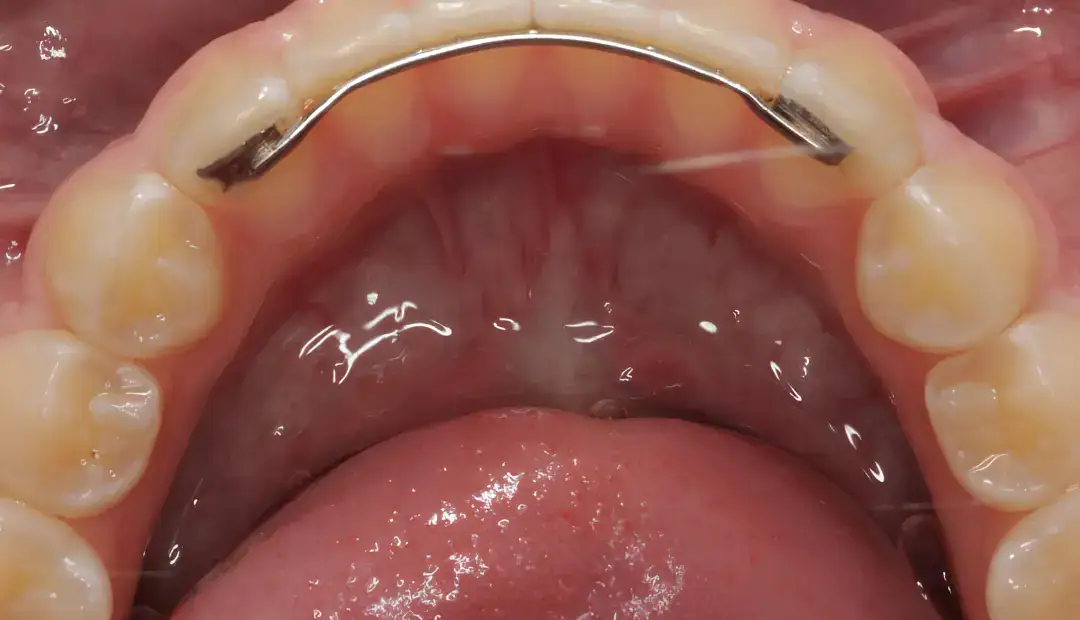
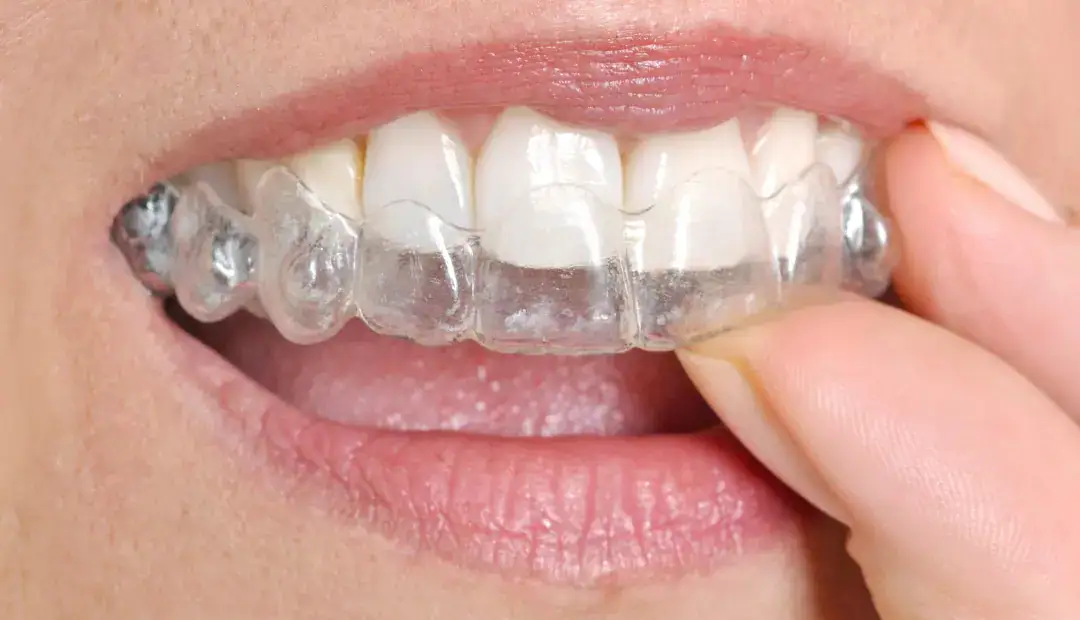
The most common type of retainer is removable. You can remove it to eat, drink, and brush your teeth. They provide flexibility, but you have to wear them consistently for best results. Meanwhile, fixed retainers are thin wires that are bonded directly behind the teeth. This offers consistent support without relying on patient compliance. Many orthodontists suggest a combination of both options. This often contains a fixed retainer for the lower front teeth and a removable retainer for the rest of the mouth.
How to Care for Your Retainer
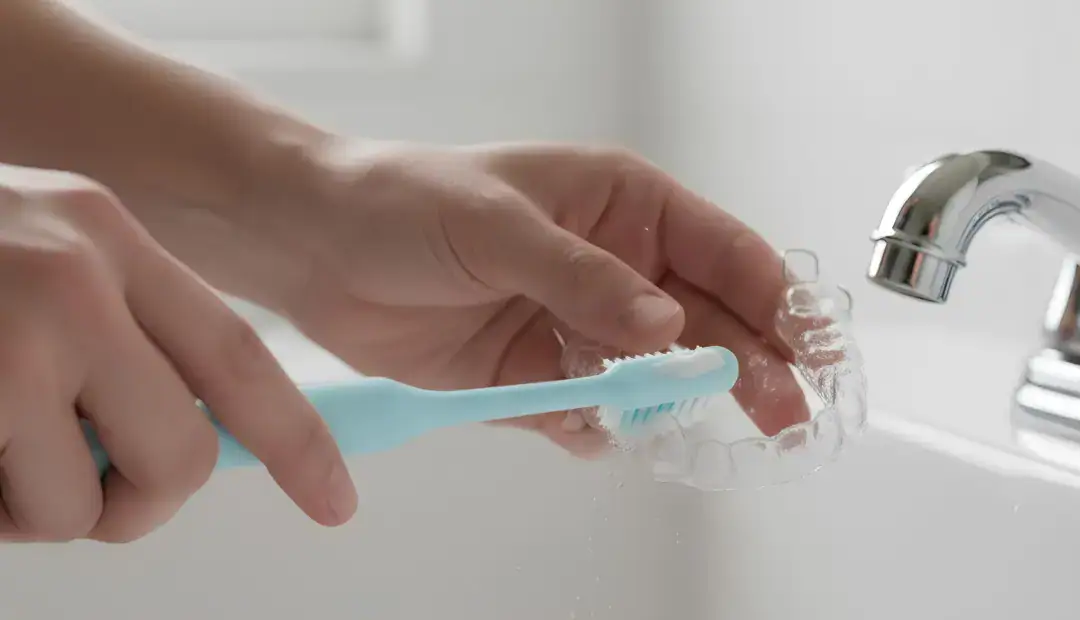
Cleaning your retainer daily with a soft toothbrush and lukewarm water helps avoid bacterial buildup. It also helps the retainer fit comfortably over time. Don’t use hot water, as it will warp the plastic and permanently alter the fit. When you are not wearing your retainer, always keep it in its case. Pets, napkins, and trash cans are major causes of lost or damaged retainers.
How to Clean a Fixed Retainer
Fixed retainers require extra attention because the wire remains bonded behind your teeth. Brush carefully around the wire and clean between your teeth using floss, a floss threader, or an interdental cleaner as recommended by your orthodontist.
If the wire becomes loose or the bonding breaks, contact your orthodontist. Do not try to remove or repair a fixed retainer yourself.
When Should You Replace Your Retainer?
With proper care, most retainers can last for several years. However, they should be replaced if they break, feel loose, or develop a persistent odor that cleaning doesn’t fix. Regular checkups make it easier to catch these problems early. If you see visible wear or discoloration that will not come off, or if your retainer no longer fits snugly, it’s time to contact your orthodontist about a replacement.
What to Do If Your Retainer No Longer Fits
Don’t force a tight retainer into place, as it may damage your teeth or crack the plastic itself. If your retainer doesn’t slide on smoothly after a missed day or two, that is a sign your teeth started to shift. The safest next step is to contact your orthodontist right away to see if an adjustment, a short course of correction, or a new retainer is needed.
What Should You Do If You Lose Your Retainer?
If you lose your retainer, contact your orthodontist as soon as possible. Going without it for an extended period can allow your teeth to shift.
| SituationWhat to do | What to do |
|---|---|
| You lost your retainer | Contact your orthodontist about a replacement |
| Your retainer is cracked or broken | Ask your orthodontist whether you should continue using it |
| You found an old retainer | Ask your orthodontist whether it is still appropriate to use |
| You are waiting for a replacement | Follow your orthodontist’s instructions |
How Much Do Retainers Cost?
It varies depending on the type you choose. Removable retainers are usually more affordable; however, fixed retainers often cost slightly more because of the bonding process. Replacement retainers often cost less than the original set. Many orthodontic offices include the initial retainer in the total treatment cost. So, it’s good to ask what is included before thinking there might be an extra charge.
Retainer Care and Orthodontic Follow-Up in Louisiana
At Bayou Braces, retainer care does not end when your braces come off. Patients throughout Louisiana get clear wear instructions and planned follow-up visits. They can also easily replace a retainer if it is lost, damaged, or outgrown. This ongoing support gives Louisiana families the confidence that their investment in a straighter smile will be protected for years to come.
Meet the Bayou Braces Team
The Bayou Braces team provides genuine Louisiana warmth and orthodontic skill at every step of treatment, including the years of retainer care that follow. From your first fitting to regular follow-up visits, the same friendly faces help you maintain your results.
Frequently Asked Questions
Can I stop wearing my retainer after a few years?
Most orthodontists recommend wearing some nighttime retainers indefinitely. Teeth can move at any age, including years after treatment has ended.
Do I have to wear my retainer every night?
Long-term, many patients continue wearing their retainer at night to help maintain their results. Your orthodontist will choose a schedule that is best for you.
What happens if I forget to wear my retainer?
Missing a night or two usually causes very slight tightness. Going a week or more without it may lead to visible, maybe significant, shifts.
Can I wear my retainer if it feels tight?
Never push a tight retainer in place. If it does not go on easily, see your orthodontist rather than risk damaging your teeth or the retainer.
How long does a retainer last?
With careful daily care, most retainers can last for several years. They may require replacement due to regular wear, cracking, or changes in fit over time.
Final Thoughts
At the end of the day, wear your retainer as prescribed, first full-time, then nightly for life. That is what genuinely protects your orthodontic results even after you have removed your braces. Even skipping a few days can cause substantial shifting. However, consistent wear keeps your smile exactly where you and your orthodontist worked so hard to position it.
If you have questions about your retainer schedule or require a replacement, Bayou Braces in Louisiana is here for you. Book your consultation today.