

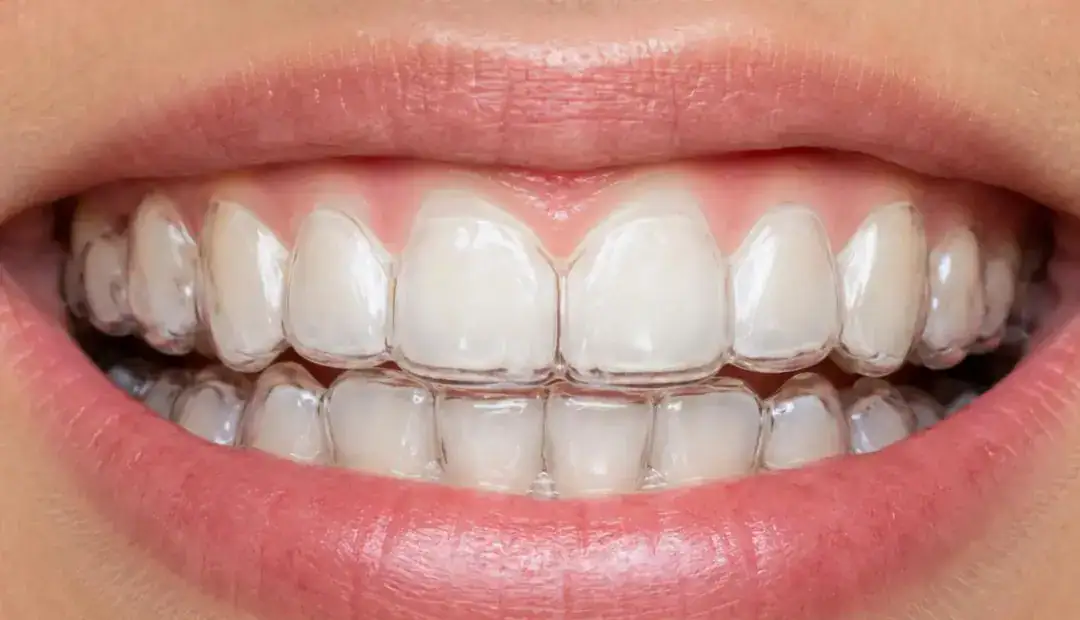
Night aligners are clear, custom-made plastic trays that straighten teeth by wearing them only while you sleep, for about 8 to 12 hours each night. It is a more discreet option than traditional 22-hour daytime aligners. That’s the short answer.
But you should know much more before you decide if this option matches your lifestyle, your teeth goals, and your everyday routine. Such knowledge is beneficial when comparing it with other clear aligner systems or regular braces before starting a full treatment plan.
If you have heard about night aligners and asked whether they actually work, who they are best for, and how they stack up to Invisalign or regular braces, this guide is just for you. We will explain everything that truly matters for parents and adult patients too. You will know exactly how they shift teeth, real timelines and costs, and easy tips for getting the best results, so you can go to your appointment already feeling prepared.
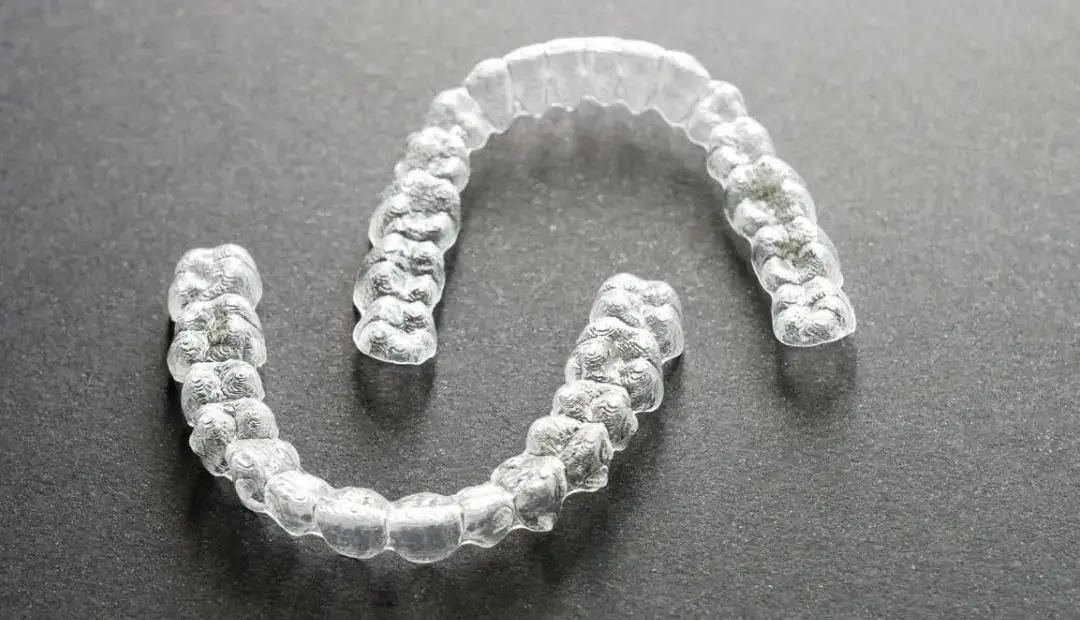
What Are Night Aligners?
Night aligners are clear plastic trays made just for your teeth and worn mostly while you sleep for about 8 to 12 hours a night. Their function is the same as daytime clear aligners, like Invisalign, but the difference lies in their wear time. Instead of wearing trays 20 to 22 hours a day, you have to wear them only at night. In simple words, when you do not want to wear braces or aligners during the day, night aligners should be your top choice.
How Do Night Aligners Work?
Night aligners gently push certain teeth while you sleep, slowly shifting them into a straighter position. Each tray in your set is different. They are made to move specific teeth a little at a time. Such tiny shifts give you real, visible results. Its best part is its customizable feature. They are custom-made from scans of your own teeth, so they fit tightly and do exactly what your treatment plan needs.
How Many Hours Should You Wear Night Aligners?
According to most plans, they should be worn for about 8 to 12 hours at night so they don’t interfere with your work during a full night’s sleep. Here, consistency matters a lot, because skipping nights or wearing them less not only slows your results but also increases treatment duration.
Some dentists may also suggest some extra wear time during quiet moments at home, especially at the start. In this way, your progress will be steady. But first, make sure each tray is suitable for you before moving to the next.
How Often Do You Change Night Aligners?
Most people move to a new tray every one to two weeks. It is all based on your plan and the response of your teeth to gentle pressure. Your dentist will make a personal schedule after your first checkup. Here is a good chance for them to assess how much movement each tooth requires and how your mouth has responded to previous trays.
Following this schedule carefully, instead of jumping ahead or falling behind, helps move your teeth safely with no pain or unexpected problems during treatment
What Is the Night Aligner Treatment Process?
Night aligner treatment usually starts with a dental examination. Your dentist checks your teeth, bite, and overall oral health to see whether night aligners are suitable for you. Digital scans or impressions may then be taken to create a treatment plan based on your teeth.
Once your aligners are ready, your dentist will explain how long to wear each tray and when to change it. Regular checkups help your dentist monitor your progress. You will wear the aligners at night as directed.
As your teeth gradually move, you may receive a new set of trays to continue the treatment. After your teeth reach their planned positions, you will usually need a retainer to help keep them there.
Who Is a Good Candidate for Night Aligners?
Good candidates for night aligners are those with minor alignment issues, such as mild crowding or small gaps between teeth. After that, you should also have a sleep routine of 8 to 12 hours of wear every single night.
Both teens and adults also prefer them, especially busy adults who want a hidden option that does not interfere with daytime meetings, meals, or social events. A dentist still has to check whether you qualify through a full exam and scans before starting treatment, because not every case responds well to night-time wear alone.
Can Night Aligners Fix Mild Crowding or Close Small Gaps?
Yes, night aligners are perfect for minor crowding and small, single gaps between teeth. As the movement needed under such conditions is relatively minor, wearing them only at night is often enough to gradually move teeth over many months of regular use.
But night-only wear is not enough for bigger gaps or more crowding; it usually needs more pressure. Your dentist can review photos and X-rays to determine whether your case is a realistic fit for night aligners.
Who Should Not Use Night Aligners?
People with more serious bite problems, like medium to strong overbites, underbites, or crossbites, usually are not good candidates for night aligners alone. These problems often involve jaw position or large tooth movement that requires more daily pressure than night-only wear can provide.
Strong crowding is in this same group, because it needs constant force to move teeth safely. Regular braces or full-time daytime aligners are better choices here. They give more reliable results.
Are Night Aligners Safe?
Night aligners can be safe when a dentist or orthodontist has checked your teeth and created a treatment plan that suits your needs. The aligners should fit properly and move your teeth gradually according to the plan.
You may feel some pressure or mild soreness when you start wearing a new tray. This usually improves as your teeth adjust. However, sharp pain, significant discomfort, or a tray that does not fit properly should not be ignored. Contact your dentist if you notice these problems.
Night aligners are not suitable for every dental problem. A professional examination is important before treatment because some bite problems, severe crowding, or larger tooth movements may require braces or full-time aligners instead.
Night Aligners vs Invisalign
The main difference between night aligners and Invisalign is wear time. Invisalign goes in 20 to 22 hours a day. Night aligners only go in while you sleep. That extra wear time means Invisalign can treat more problems and often works faster, including mild crowding and bite corrections. Night aligners are not bad. They just cannot do as much. But if the case is really simple, they can give you the same great outcome with way less effort.
Night Aligners vs Traditional Braces
Traditional braces are stuck to your teeth and work all day and night, so they are more suitable for major alignment and bite problems than night aligners. Night aligners offer more discretion and ease, since you can take them out and wear them only part of the day.
But remember that short wear time usually means slower progress. Costs for both are often in a similar total range once the full treatment time is accounted for, though braces usually move teeth faster because they are worn all the time.
Night Aligners vs Daytime Aligners
The main difference between night aligners and daytime aligners is how long you wear them each day. Night aligners are designed for overnight use, while daytime aligners are normally worn for most of the day.
| Feature | Night Aligners | Daytime Aligners |
|---|---|---|
| Wear time | About 8–12 hours at night | Usually 20–22 hours a day |
| Eating | Removed during the day, so you can eat normally | Removed when eating and drinking |
| Daily visibility | Mostly worn while sleeping | Worn during most daytime activities |
| Treatment range | Often used for selected mild cases | Can treat a wider range of alignment problems |
| Treatment time | May take longer because of less daily wear | Often allows more consistent tooth movement |
| Convenience | Less daytime wear | Requires more daily wear |
Your dentist can tell you which option suits your teeth after checking your alignment and bite. Night aligners may work well for selected mild cases, while daytime aligners can offer more treatment options when greater tooth movement is needed.
Pros and Cons of Night Aligners
Pros
Night aligners have real, helpful benefits.
- They are hidden when you sleep
- You do not remove them for meals
- And they fit perfectly into a busy daily life without disrupting your work or social plans.
Cons
- But less total wear time means slower overall progress, and a higher chance of teeth moving back during the day as less pressure is applied.
- They also mostly address very minor crowding or spacing issues, so it is not right to say that they are for every smile or every treatment goal.
Do Night Aligners Hurt?
Most people feel light pressure or some soreness for the first night or two after changing to a new tray, just like with other clear aligner systems. Such a feeling shows that the tray is working and putting pressure to move your teeth. It normally goes away within a day or two as your mouth gets used to it. If the pain feels sharp, keeps going, or feels too strong, you should talk to your dentist to confirm the tray fits right.
How Long Do Night Aligners Take?
Treatment length depends largely on your case, but most people complete night aligner treatment in 6 to 12 months. Very mild cases that require only small movement can sometimes finish in about 6 months with steady nightly wear, while harder cases may take almost a year.
A few things affect this time, like how regularly you wear your trays each night, how complex your teeth alignment is, and how well your teeth respond to the gentle push from each tray in the set.
How Much Do Night Aligners Cost?
Night aligner prices vary by provider and the severity of your case. But they usually cost about the same as other clear aligner treatments, often a bit less for simple cases that require fewer total trays.
Most dental offices offer monthly payment plans to make treatment easier to manage, and many dental insurance plans cover part of the cost of clear aligner treatment, including night aligners, though coverage varies widely by plan. For the right person, most patients feel the convenience and discretion are worth the total cost.
Are Night Aligners Effective?
Night aligners really do work for the right cases, and they move teeth over time using the same gentle-pressure idea found in daytime clear aligners like Invisalign. Success rates are usually high for light crowding and small gaps, but results drop a lot for severe movement needs.
The basic method uses proven dental technology, and results can last a long time when patients use retainers afterward, because all straight teeth can move back over time without continued use.
What Can You Eat While Using Night Aligners?
As you wear night aligners only during sleep, there is no effect on your daytime eating at all, and no food rules to follow during treatment. You just eat normally during the day without your trays in, then put them in before bed. Plain water is okay to drink while wearing your trays at night, but you must skip sugary or sour drinks, as prolonged contact with sweet drinks under the tray can increase the risk of cavities.
How to Clean Night Aligners
Cleaning your night aligners every morning after taking them out helps stop germ buildup and keeps them clear, comfy, and fresh during treatment. Rinse them with warm water, then gently brush them with a soft toothbrush.
We suggest you skip toothpaste, as it can scratch the clear plastic and dull it over time. A special aligner cleaning liquid is also effective. Never use hot water because it can bend the plastic and affect how well your trays fit for the rest of the treatment.
What Happens If You Skip a Night?
Missing one night does not usually mean that your treatment has failed. However, regularly skipping nights can reduce the amount of time your teeth receive the planned pressure and may slow your progress.
If you forget to wear your aligners for one night, put them back in the next night and continue following your treatment plan. Do not move to the next tray earlier than instructed to make up for missed wear time.
If you miss several nights or your current tray no longer fits properly, contact your dentist before making changes to your treatment schedule. Your dentist can tell you whether you should continue with the same tray or adjust your treatment plan.

Tips for Better Results
Some simple habits bring much difference in how smoothly your night aligner treatment goes.
- Follow your nightly wear plan as directed by your orthodontist.
- Clean your trays every morning.
- Go to every checkup so your dentist can watch progress and spot any problems early.
- Keep hot water away from trays and try not to lose your place in the tray order.
Missing one night now and then usually will not ruin treatment, but missing often can clearly slow results and make treatment take longer.
FAQs
Are night aligners as effective as daytime aligners?
Night aligners deal with mild cases, but daytime aligners can treat more types of teeth problems because you wear them more each day. For moderate-to-severe cases, daytime aligners or braces usually yield faster results than night-only treatment.
Can teenagers use night aligners?
Of course! If a teen has only mild crowding or spacing and sleeps well at night, night aligners can be a good fit. For this, a dentist needs to do an exam and scans first to make sure you qualify. It is not just about age but also being responsible enough to wear them every single night.
Do night aligners work for everyone?
No. Night aligners are generally intended for selected mild alignment problems. More complex cases may require daytime aligners or braces
How do I know if I need night aligners or full-time aligners?
A dental checkup is the best way to know for sure, since it depends on how much your teeth need to move and how serious your problem is. Your dentist can suggest the option most likely to give you wonderful results.
Can I switch from night aligners to daytime aligners mid-treatment?
Yes, your dentist can change your plan if your case ends up needing more daily wear than night-only treatment. In this way, your treatment remains on track even if your first plan needs to change.
Do night aligners require a retainer afterward?
Yes, like most teeth treatments, a retainer keeps your teeth in their new spot after treatment ends. Without regularly using your retainer, teeth can slowly move back to their old positions over time.
Final Thoughts
Night aligners offer a simple, discreet way to address mild crowding and small gaps, but they are not right for every case or every person’s needs. Knowing the real wear time, treatment time, cost, and how they compare to Invisalign and regular braces makes it much easier to decide whether they are right for your smile, your daily routine, and your long-term dental goals before choosing any treatment or provider.
At Bayou Braces, our orthodontists take time to check every patient’s alignment needs before suggesting night aligners, daytime aligners, or regular braces, so you get a real, personal plan starting from your first visit instead of a one-size-fits-all answer. To find out if night aligners will really work for your smile, schedule a consultation with BaYou Braces right now to achieve an elegant, straighter smile forever.