

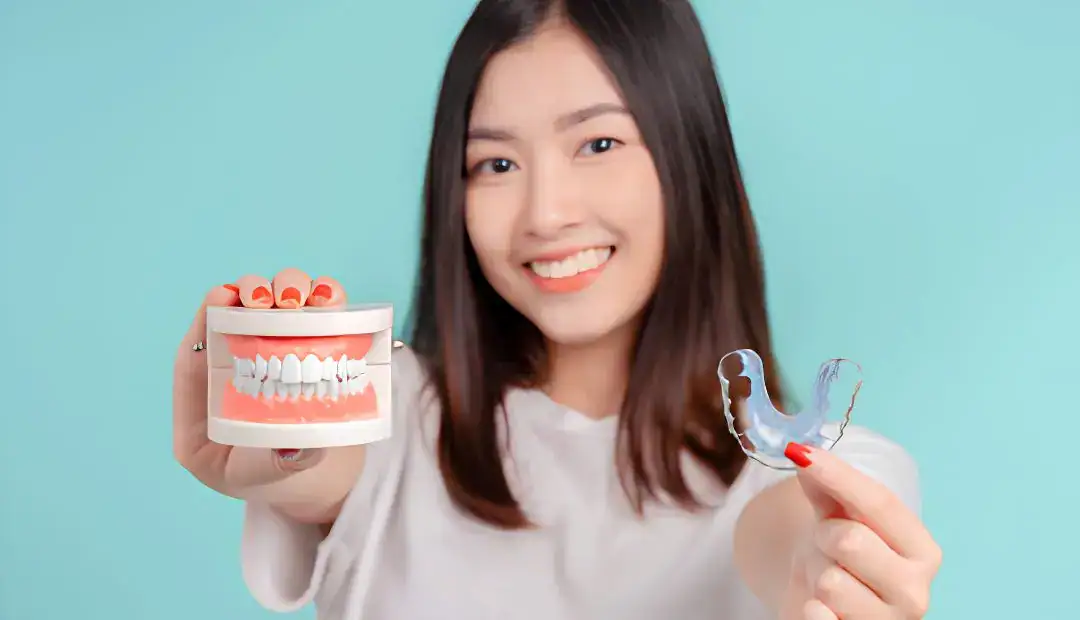
Invisalign is best for comfort and appearance, but braces are still the winner for complex misalignments. The best choice depends on your condition, routine, and most importantly, your budget.
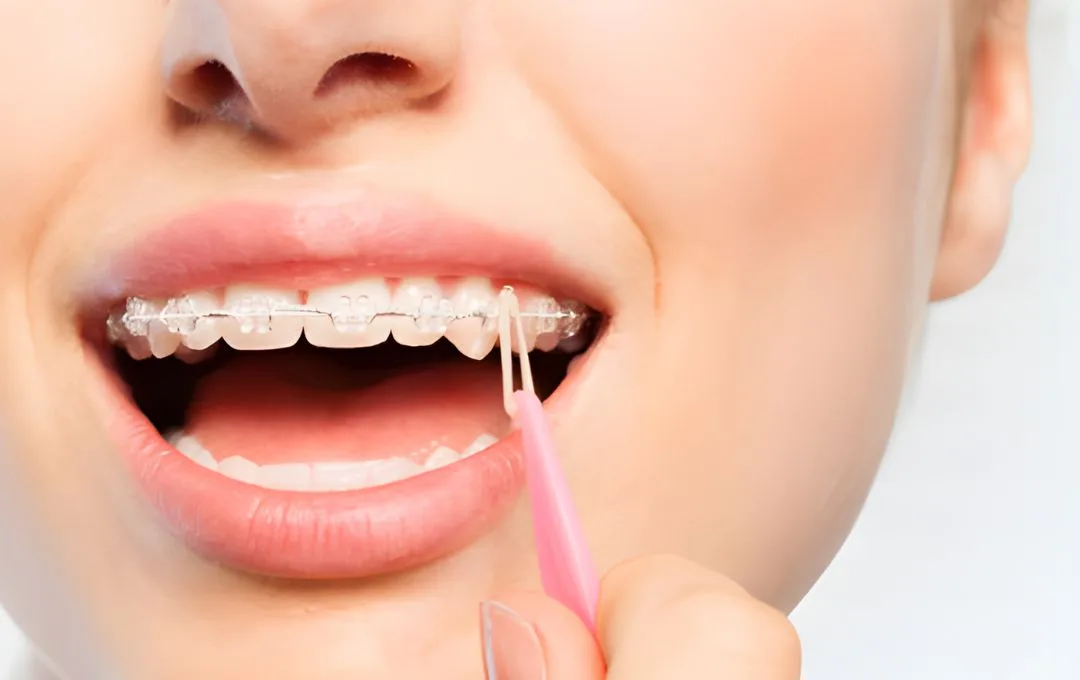
In this article, we will break down the comparison between Invisalign vs braces cost treatments according to your lifestyle, which can fit in your budget, and also from price to timeline results, you will be guided by everything side by side. Whether you’re a parent researching braces vs Invisalign for kids or an adult exploring Invisalign vs braces for adults, we’ll walk through the full Invisalign vs traditional braces comparison so you can walk into your consultation feeling confident, not confused.
Invisalign vs Traditional Braces: The Quick Comparison
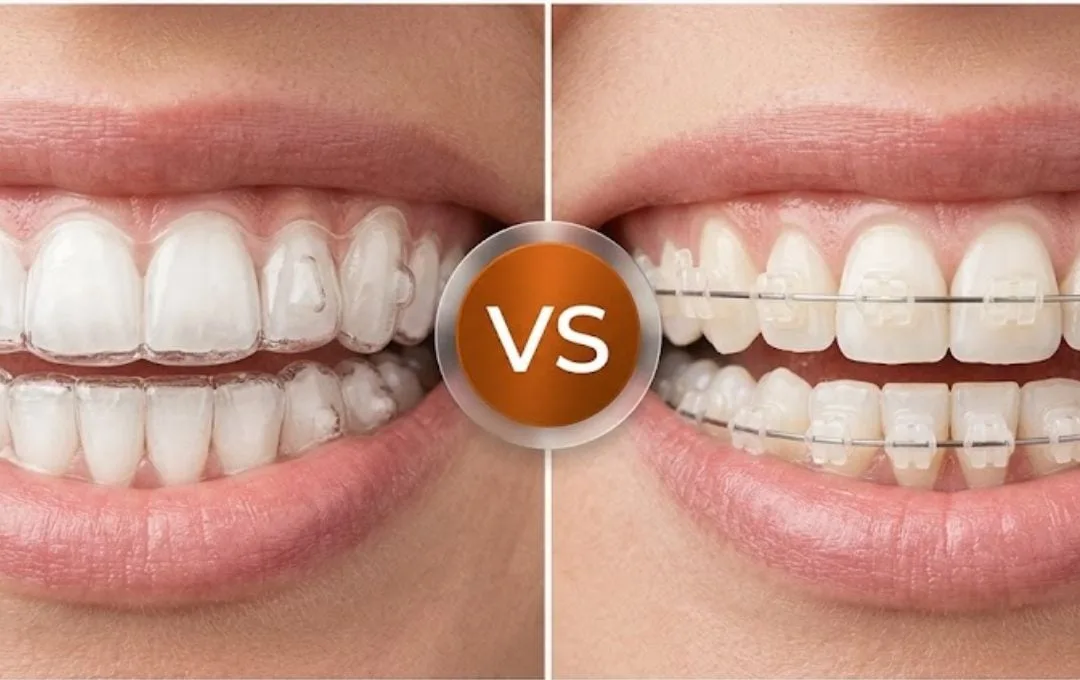
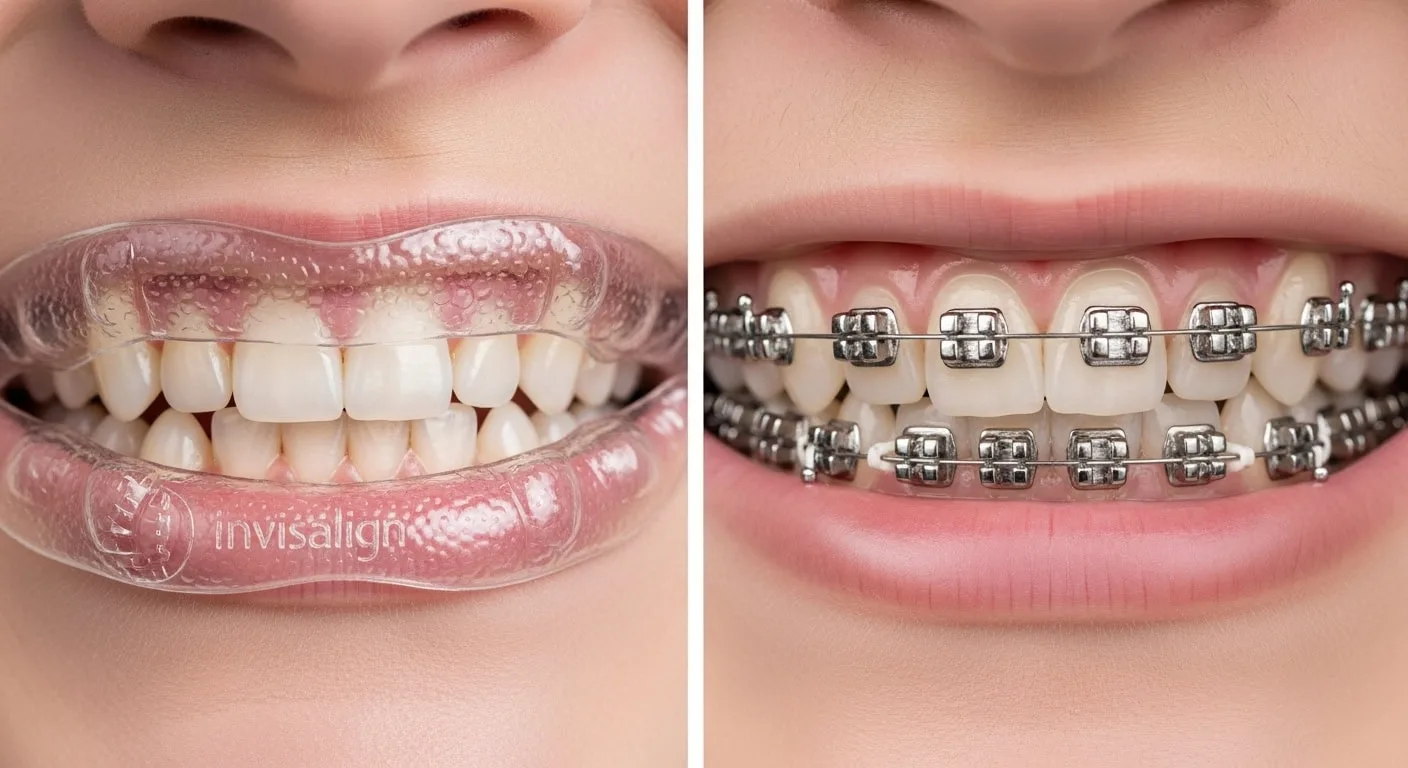
We can see that fixed metal or ceramic brackets are used in traditional braces to handle the complex alignment issues, while Invisalign uses clear, removable plastic trays for milder to moderate corrections.
Typically, the cost of both treatments is between $3,000 and $8,000, but the exact price will depend on your location, your case condition, and mainly the duration of your treatment. You can see the categorical comparison between Invisalign and traditional braces below.
Category | Traditional Braces | Invisalign |
| Appearance | Highly visible (except clear or ceramic braces) | Clear, nearly invisible aligners |
| Comfort | May cause discomfort from brackets and wires | Smooth plastic aligners, fewer irritations |
| Effectiveness | Handles mild to severe, complex cases | Best for mild to moderate issues |
| Treatment Time | 18-24 months or longer | Often 12-18 months |
| Eating Restrictions | Several foods must be avoided | None, aligners are removable |
| Oral Hygiene | Requires extra tools and care | Easier brushing and flossing |
| Compliance Required | No, fixed in place | Yes, 20-22 hours a day |
| Cost | $3,000 – $6,000, often insurance-covered | $3,000 – $8,000+, similar coverage |
Invisalign Pros and Cons
The big advantage of Invisalign is its comfort and discretion, but it does require more of the patient than braces. Here is an analysis of Invisalign vs braces pros and cons.
Advantages of Invisalign
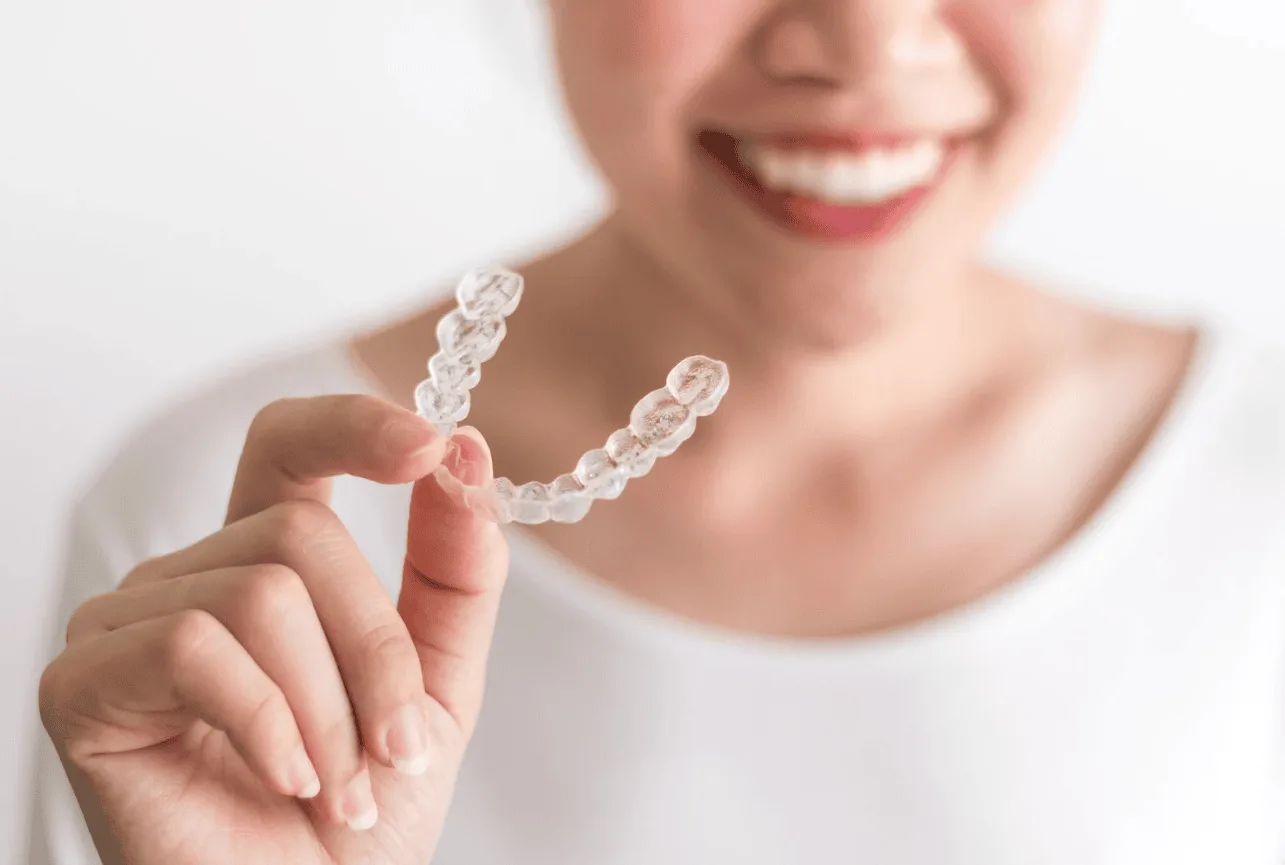
- Invisalign uses a series of custom-made, clear plastic aligners that gradually shift your teeth into place. Most patients wear each set for about two weeks before moving to the next.
- Invisalign is popular among many people because of its discreet look; the trays fit over your teeth perfectly.
- It does not poke or irritate your cheeks like the other brackets and wires sometimes do.
- Another advantage is its removable quality, which means you can take them off while brushing and flossing.
- And most importantly, you don’t have to worry about food restrictions at all. Treatment also tends to progress faster, with many patients completing it in just 12 to 18 months.
Disadvantages of Invisalign
Invisalign isn’t ideal for every case.
- The severely rotated teeth, significant crowding, large gaps, and serious bite problems usually respond better to braces, which apply constant, precise force.
- Invisalign also demands real discipline, since the trays only work if you wear them 20 to 22 hours a day. And skipping that routine can quietly delay your results.
- Once treatment wraps up, you’ll still need a retainer to keep your teeth from drifting back.
Traditional Braces Pros and Cons
Braces remain one of the most dependable orthodontic treatments around. It is especially useful for cases that Invisalign can’t fully correct. So, below is a detailed explanation of braces pros and cons.
Advantages of Braces
- Braces apply continuous, controlled force. And it makes them the go-to option for severe bite misalignments and rotated teeth that aligners simply can’t handle as precisely.
- Because brackets and wires are fixed to your teeth, there is no need to worry about compliance. The treatment operates continuously without requiring any effort from you.
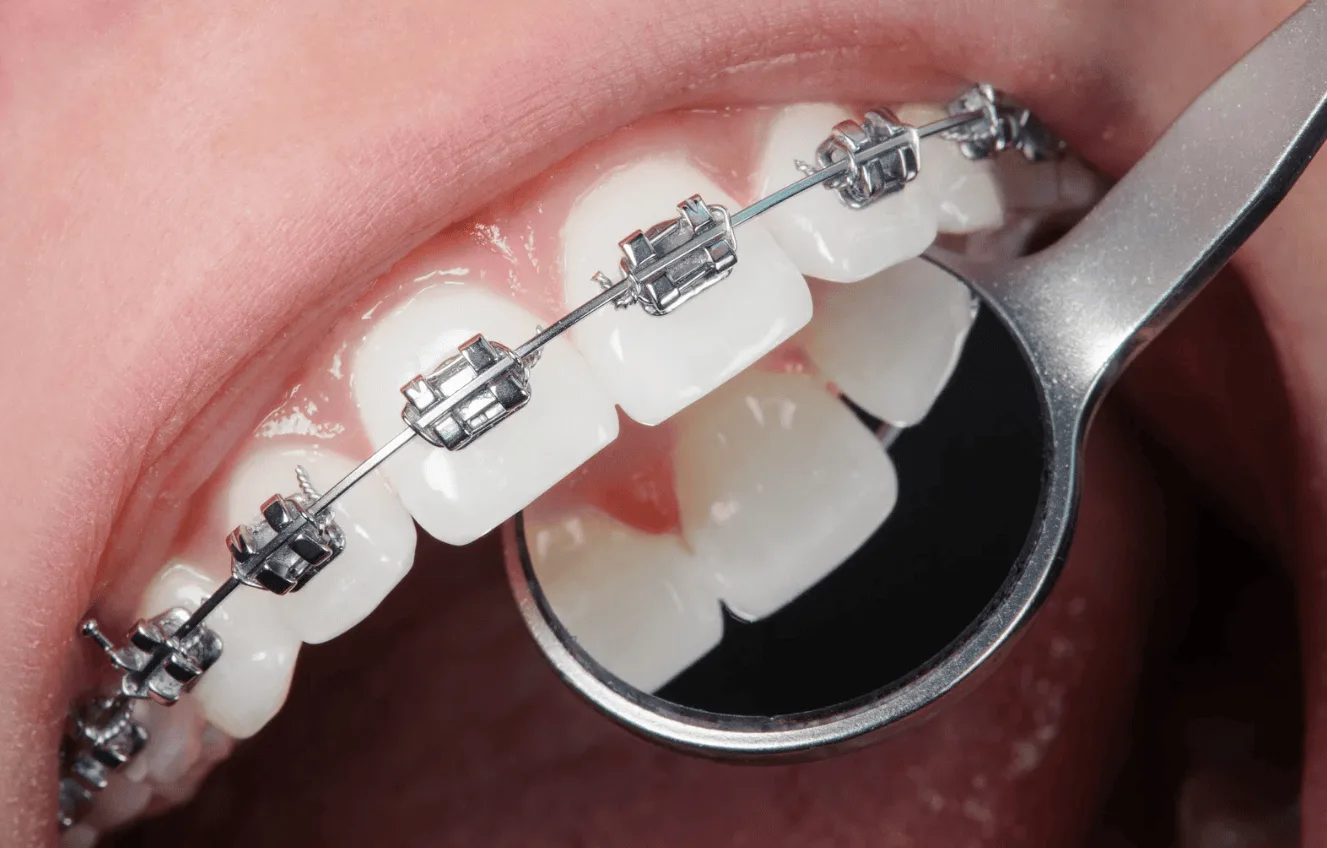
- And the best thing is that modern braces also come in several styles beyond traditional metal. They include clear or ceramic brackets and self-ligating systems. So there’s more flexibility in appearance than most people expect.
Disadvantages of Braces
- If the braces have advantages, they also have some disadvantages; the first one is their visibility. Their metal brackets and wires are visible when you wear them. And it is a major concern for teens and adults and can affect how you weigh traditional Invisalign vs. braces for how it looks day to day.
- Braces can also cause initial soreness after placement or adjustments. And you’ll need to steer clear of sticky, hard, or chewy foods to avoid breaking a bracket.
- Cleaning takes a bit more effort, too. It often requires interdental brushes or floss threaders to get around the wires.
- Lastly, you’ll need to visit an orthodontist every four to six weeks for adjustments.
Invisalign vs Braces Cost Comparison
Pricing between the two has largely converged over the years. A full Invisalign vs braces cost comparison shows traditional braces typically range between $3,000 and $6,000. While Invisalign generally falls between $3,000 and $8,000 or more, depending on how many aligner trays your case requires.
| Factor | Traditional Braces | Invisalign |
|---|---|---|
| Average Cost | $3,000–$6,000 | $3,000–$8,000+ |
| Insurance Coverage | Usually Covered | Usually Covered |
| Monthly Payment Plans | Often Available | Often Available |
| Initial Consultation | Often Free | Often Free |
| Retainer Cost | Usually Separate | Usually Separate |
| Cost Depends On | Case complexity, treatment length | Case complexity, number of aligners, treatment length |
| Best Value | Complex orthodontic cases | Mild to moderate cases with aesthetic preference |
On average, orthodontic treatment in the U.S. can be $3,000 to $7,000 overall. And most dental insurance plans cover both treatments similarly, since your lifetime orthodontic maximum applies no matter which one you choose.
Braces vs Invisalign for Kids and Teens
For younger patients, braces are still the more common recommendation. In the Invisalign vs traditional braces for kids debate, orthodontists often lean toward braces. Because kids and younger teens don’t always have the discipline to wear removable trays for 20-plus hours a day.
| Category | Traditional Braces | Invisalign Teen |
|---|---|---|
| Recommended Age | 7+ (after orthodontic evaluation) | Usually 12+ with most permanent teeth |
| Best For | Moderate to severe alignment issues | Mild to moderate alignment issues |
| Compliance Required | No (fixed appliance) | Yes (20–22 hours daily) |
| Lost Appliance Risk | None | Higher (aligners can be misplaced) |
| Food Restrictions | Yes | No (remove aligners before eating) |
| Oral Hygiene | More challenging | Easier to brush and floss |
| Appearance | Visible brackets | Nearly invisible aligners |
| Parent Supervision | Minimal | Often needed for younger teens |
| Overall Recommendation | Best for most children | Best for responsible teens |
Still, Invisalign Teen vs braces is a real conversation worth having. Invisalign Teen includes built-in compliance indicators and replacement trays for lost aligners. And it makes it a workable option for more responsible teens. When comparing Invisalign vs braces for kids side by side, the deciding factor usually isn’t cost or looks. It’s whether your child can realistically stick to the routine.
Invisalign vs Braces for Adults
Adults tend to lean toward Invisalign, and it’s easy to see why. In most Braces vs Invisalign for Adults discussions, working professionals like that the aligners are virtually invisible in meetings and social settings. And the lack of food restrictions fits busy schedules better.
| Category | Traditional Braces | Invisalign |
|---|---|---|
| Appearance | Visible metal or ceramic brackets | Nearly invisible clear aligners |
| Best For | Mild to severe orthodontic cases | Mild to moderate orthodontic cases |
| Comfort | May irritate brackets and wires | Smooth plastic aligners with less irritation |
| Treatment Time | Typically 18–24 months | Often 12–18 months (case dependent) |
| Eating | Avoid hard, sticky, and chewy foods | No food restrictions; remove aligners before eating |
| Oral Hygiene | More difficult to brush and floss | Easy to brush and floss after removing aligners |
| Compliance | Fixed to the teeth; no patient compliance needed | Must be worn 20–22 hours per day |
| Office Visits | Every 4–8 weeks for adjustments | Every 6–10 weeks for progress checks |
| Cost | Typically $3,000–$6,000 | Typically $3,000–$8,000+ |
| Ideal Candidate | Adults with complex bite problems, severe crowding, or significant tooth movement | Adults who want a discreet treatment for mild to moderate alignment issues |
| Lifestyle | Best if you don’t want to remember wearing aligners | Best for professionals and adults who prefer a nearly invisible treatment |
That said, Invisalign vs braces for adults isn’t a one-size-fits-all answer. Adults with more complex bite issues or significant tooth movement needs often get better, faster results with braces, even if they’re less discreet.
FAQs
Is Invisalign better or worse than braces?
Neither is universally better. It depends on your case. Invisalign is more comfortable and discreet for mild-to-moderate issues, while braces handle complex bite problems and severe misalignment more reliably.
What’s the best age to get Invisalign?
Invisalign Teen is designed for younger patients who already have most of their adult teeth, usually around age 12 and up. Adults of any age can also use Invisalign as long as their case isn’t too complex.
Can adults still get braces instead of Invisalign?
Yes, adults can absolutely wear traditional braces. Many adults choose braces when their case involves severe crowding, rotation, or bite issues that Invisalign can’t fully correct.
Do braces hurt more than Invisalign?
Braces tend to cause more initial irritation from brackets and wires, especially after adjustments. Invisalign is generally more comfortable, though some pressure is normal each time you switch to a new tray.
Final Thoughts
After knowing the pros and cons, now we can conclude that both treatments are effective for straightening the teeth. And both have the same range of prices when factoring in insurance.
But for complex, severe, or highly specific bite problems, braces are the best choice. On the other hand, for mild to moderate cases where comfort and appearance are involved, Invisalign comes at the top. But whichever direction you choose, the details of your case and personal preference will guide your final treatment.
At BaYou Braces, we work with most insurance providers to help make both braces and Invisalign more affordable. Every treatment plan starts with a conversation with our experts about what actually fits your smile and your schedule. So, if you’re ready to find out which option is right for you, schedule a consultation with us at BaYou Braces today. And get the treatment that fits your desires and budget.