


There is no clear answer to which braces are best for children. The best option will depend on your child’s age, the severity of their crowding or bite issues, and how responsible they are with day-to-day care. Metal, ceramic, self-ligating, lingual, and clear aligners such as Invisalign First are the five main options.
It can be overwhelming to choose from all of the types of braces available today. This is especially true when it seems like every orthodontist has a different recommendation. Here, we explain the specific factors our orthodontists consider when helping families choose the best braces for kids. We also explain the pros, cons, and cost ranges for each option so you can feel informed before your visit.
Which Braces Are Best for Children?
The best braces for your child depend on three main factors: their age, the complexity of their misalignment, and how well they’ll follow instructions, especially with removable options. There isn’t one universally “best” choice. Because a treatment that works well for one child may not suit another.
Ceramic or clear aligners may be a better option for image-conscious pre-teens who have mild issues. Instead of using a one-size-fits-all rule, our orthodontists usually base the final recommendation on a full evaluation.
Does My Child Need Braces?
If you see gaps, an obvious overbite or underbite, crowded or overlapping teeth, or difficulty biting and chewing, your child might require braces. These symptoms might mean that permanent teeth are not coming in with enough room or proper alignment.
Mouth breathing, thumb sucking that continues after the age of 4, and speech problems linked to tooth position are other signs. The best way to decide whether treatment is truly necessary if you notice any of these patterns is by a professional evaluation. Or if patiently waiting makes more sense.
Does My Child Need Early Orthodontic Treatment?
Some children benefit from early, or interceptive, orthodontic treatment. But many do not need it at all. Early treatment mainly helps guide jaw growth or create space for incoming teeth, rather than addressing cosmetic concerns.
The American Association of Orthodontists recommends a first orthodontic checkup by age 7, even if no treatment starts right away. This early visit lets our orthodontists catch developing issues while there’s still room to guide growth gently. It often avoids more complex treatment later.
What Age Should My Child Get Braces?
After most permanent teeth come in, many children start getting full orthodontic treatment between ages 10 and 14. This range provides enough visible tooth structure to create a precise, effective treatment plan. However, age is not a strict rule.
Some kids need treatment earlier due to specific bite or jaw issues. Others do fine waiting until their early teens. A personalized evaluation is always more reliable than going by age alone.
What Age Should My Child Get a Palatal Expander?
Before the bones in the roof of the mouth fully fuse, palatal expanders are most effective between ages 7 and 10. The upper jaw can be widened more gently and effectively during this window by using an expander.
Expansion may become more difficult if you wait until after this bone fusion. This usually happens around puberty and might need surgical help instead. One of the best examples of the importance of timing in early orthodontic planning is this.
Types of Braces for Kids
Nowadays, kids have more orthodontic options than ever before. Each has specific strengths that depend on your child’s needs, lifestyle, and budget. Understanding the different Types of Braces can help parents compare options and choose an approach that fits their child’s orthodontic needs.
Are Metal Braces Good for Kids?
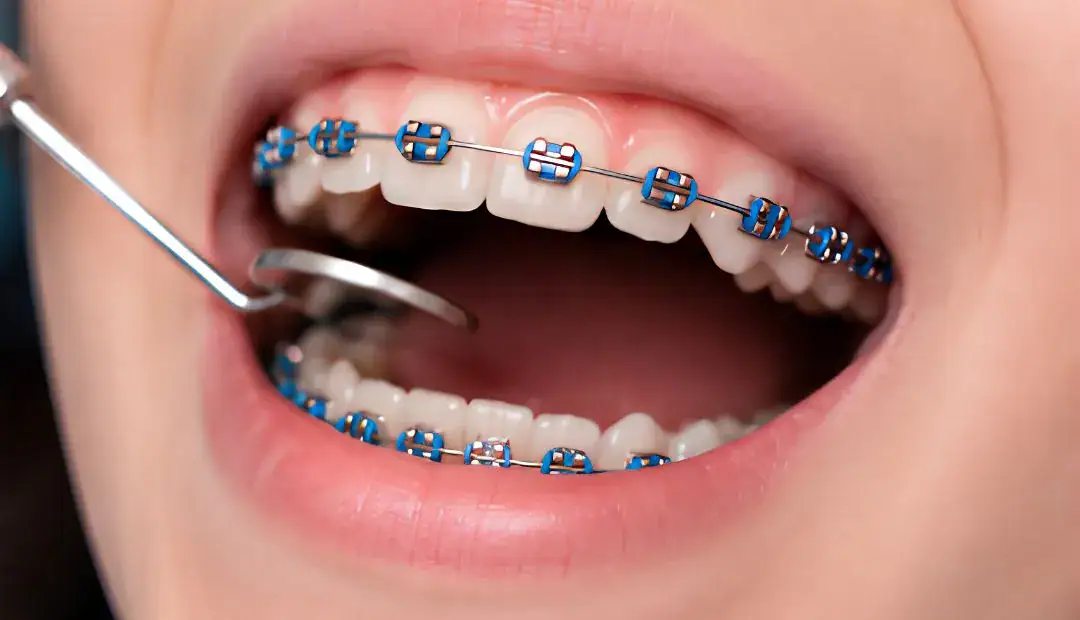
Of course, especially for severe crowding or bite issues, metal braces are still one of the best and most reliable options for kids. They use stainless steel brackets that are bonded to the teeth and connected by an archwire.
Strong corrective power, the most affordable pricing point, and fun personalization with colored bands are all benefits. The most obvious choice and the need to strictly avoid sticky or hard foods are cons.
Are Ceramic Braces a Good Choice for Kids?
Ceramic braces do really work well for kids who are image-conscious about looks and want something less obvious than metal braces. They are made of clear or tooth-colored material and have the same structure as traditional braces.
The advantages include the same corrective strength as metal and a much less noticeable appearance. The disadvantages are a higher price than standard metal braces and more fragile brackets that can chip.
Do Children Benefit from Self-Ligating Braces?
These can be a good choice for those who want fewer adjustment visits and less friction during treatment. Instead of rubber bands, they use sliding doors or built-in clips to keep the archwire in place.
These braces are easy to clean and require fewer adjustments. They also create less friction. These usually cost more than regular metal braces and are more visible.
Are Lingual Braces Suitable for Children?
They are not the best choice for every child. Lingual braces can be beneficial for older, active kids who prefer a fully hidden option. Rather than on the front, they attach to the back of the teeth.
The benefits include being safe during contact sports and being fully invisible from the front. A temporary lisp, more tongue discomfort, and a higher price with more challenging cleaning are drawbacks.
Is Invisalign Good for Kids?
Specifically, Invisalign works best for responsible kids who can agree to wear removable trays regularly, especially for younger kids. It is a set of personalized clear plastic aligners that slowly move teeth.
The advantages include low discomfort, a nearly invisible look, and easy removal for eating and brushing. The need for strict 20 to 22-hour daily wear and the actual risk of younger kids misplacing or losing trays are disadvantages.
Comparison of Different Types of Braces for Kids
This table compares these five options based on visibility, best-fit scenarios before you wear braces, and compliance needs.
Braces Type | Visibility | Best For | Compliance Needed | Typical Treatment Time |
| Traditional Metal | High | All complexity levels | Low (fixed) | 18–24 months |
| Ceramic | Moderate | Image-conscious pre-teens | Low (fixed) | 18–24 months |
| Self-Ligating | High | Faster office visits | Low (fixed) | Varies by case |
| Clear Aligners | Very low | Responsible teens | Very high | Varies by case |
| Lingual | Hidden | Older, active children | Low (fixed) | Varies by case |
Braces Care and Food Guide for Kids
| Topic | What Parents Should Know |
| Brushing | Brush carefully around brackets, wires, and along the gumline. |
| Cleaning | Clean between teeth and around orthodontic appliances regularly. |
| Hard Foods | Avoid foods that can damage brackets or wires. |
| Sticky Foods | Avoid sticky foods that can pull on brackets or wires. |
| Sports | A properly fitted mouthguard can help protect teeth and braces. |
How Much Do Different Types of Braces Cost?
These are common price ranges that families can expect when considering the cost of braces in Louisiana; however, costs vary depending on the type of braces, treatment complexity, and location.
Braces Type | Typical Cost Range |
| Traditional Metal | $3,000 – $7,000 |
| Ceramic | $4,000 – $8,000 |
| Self-Ligating | $4,000 – $8,000 |
| Clear Aligners (Invisalign First) | $3,000 – $8,000 |
| Lingual | $8,000 – $10,000 |
Does Insurance Cover Braces for Kids?
A lifetime maximum of $1,000 to $3,000 is often the amount many dental insurance plans cover for kids’ braces. The age of your child, your specific plan, and whether treatment is deemed medically necessary all depend on coverage.
Each state has very different Medicaid coverage for orthodontic treatment. It usually does not apply to cosmetic issues but rather to serious, medically required situations. To avoid any surprises, our staff can help confirm your specific benefits before the start of treatment.
How to Choose the Right Braces for Your Child?
The key to choosing the best braces for your child is to balance their lifestyle and level of responsibility with their treatment needs. While mild cases offer more room for ceramic or clear aligners, severe crowding usually means metal or self-ligating braces. Honestly, thinking about your child’s habits is also helpful.
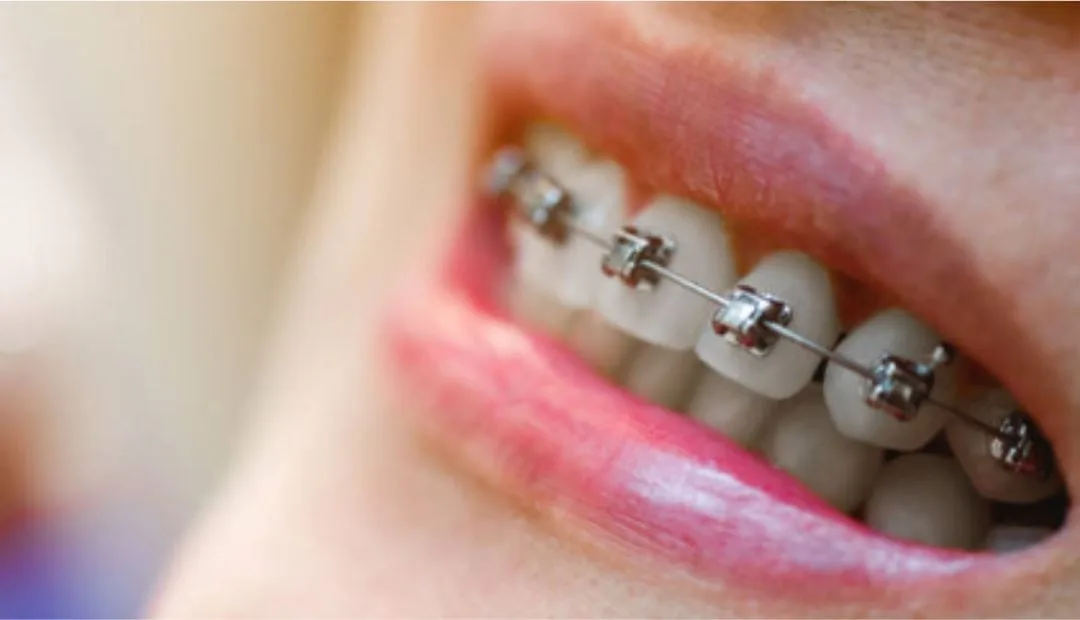
Removable aligners may be difficult for a child who loses things a lot. However, the durability of fixed braces may be preferred for an active athlete. Early in the decision-making process, it is also important to consider the budget and insurance coverage.
Questions to Ask Your Orthodontist Before Choosing Braces
Before agreeing to treatment, a full consultation should provide you with clear answers to a few important questions.
- What is the expected treatment time for my child’s specific condition?
- Which type of braces best suits my child’s age, lifestyle, and level of responsibility?
- What’s the full cost, and what payment or insurance options are available?
- How often will we need to visit for adjustments or check-ins?
- What happens if my child loses or breaks an appliance?
By asking these questions before treatment starts, you can compare your options. This can help you avoid surprises and unexpected costs later.
Where Can I Get a Free Orthodontic Consultation in Louisiana?
BaYou Braces offers free orthodontic consultations to families around Louisiana. In a single visit, our orthodontists examine your child’s bite, jaw growth, and treatment options. For parents who are still considering their options, this free evaluation is a useful first step.
Our team explains what we observe, what treatment options make sense, reasonable timelines, and costs during the visit. Instead of a hard sales pitch, parents leave with clear and useful information.
FAQs
Which type of braces is most effective?
Many people believe that traditional metal braces are the most reliable and effective way to treat complex dental issues. They offer constant, precise control as they are made of high-strength stainless steel and are permanently fixed. Because of this, they are especially useful for treating severe bite issues, rotations, and crowding.
Are ceramic braces as effective as metal braces?
Even though they are less visible, ceramic braces have the same correction power as metal braces. Brackets are significantly more prone to chipping, and a higher price is the main trade-off.
Can my child play sports with braces?
Yes, Children with braces can play in sports without risk. It is best that they use a mouthguard that fits properly during training and games. This lowers the risk of harm to the soft tissue inside the mouth and the braces.
How long do kids typically wear braces?
For 18 to 24 months, most children wear braces. However, the complexity of the case depends on how long treatment takes. While more involved bite corrections may take longer, simpler ones might be completed sooner.
Is Invisalign First a good option for younger kids?
Younger kids can benefit from Invisalign First. However, it needs to be worn consistently for 20 to 22 hours every day. A fixed option might work better for children who often misplace or lose things.
What happens during a free orthodontic consultation?
A visual exam and a discussion of your child’s specific concerns are usually included in a free appointment. It also provides a detailed explanation of the suggested treatment options and costs. Also, treatment does not have to begin immediately.
Final Thoughts
It eventually comes down to a few factors when choosing between metal, ceramic, self-ligating, lingual, and clear aligners. These include your child’s age, the complexity of their bite, and their level of daily care responsibilities. The best braces for kids are a matter of opinion, but a clear evaluation makes the choice much easier.
Our orthodontists at BaYou Braces take the time to discuss these choices with each Louisiana family. This helps you choose the option that best suits your child’s needs. Schedule your free consultation with us today if you are ready to learn more about the best braces for your kids.